
Last updated November 23, 2026
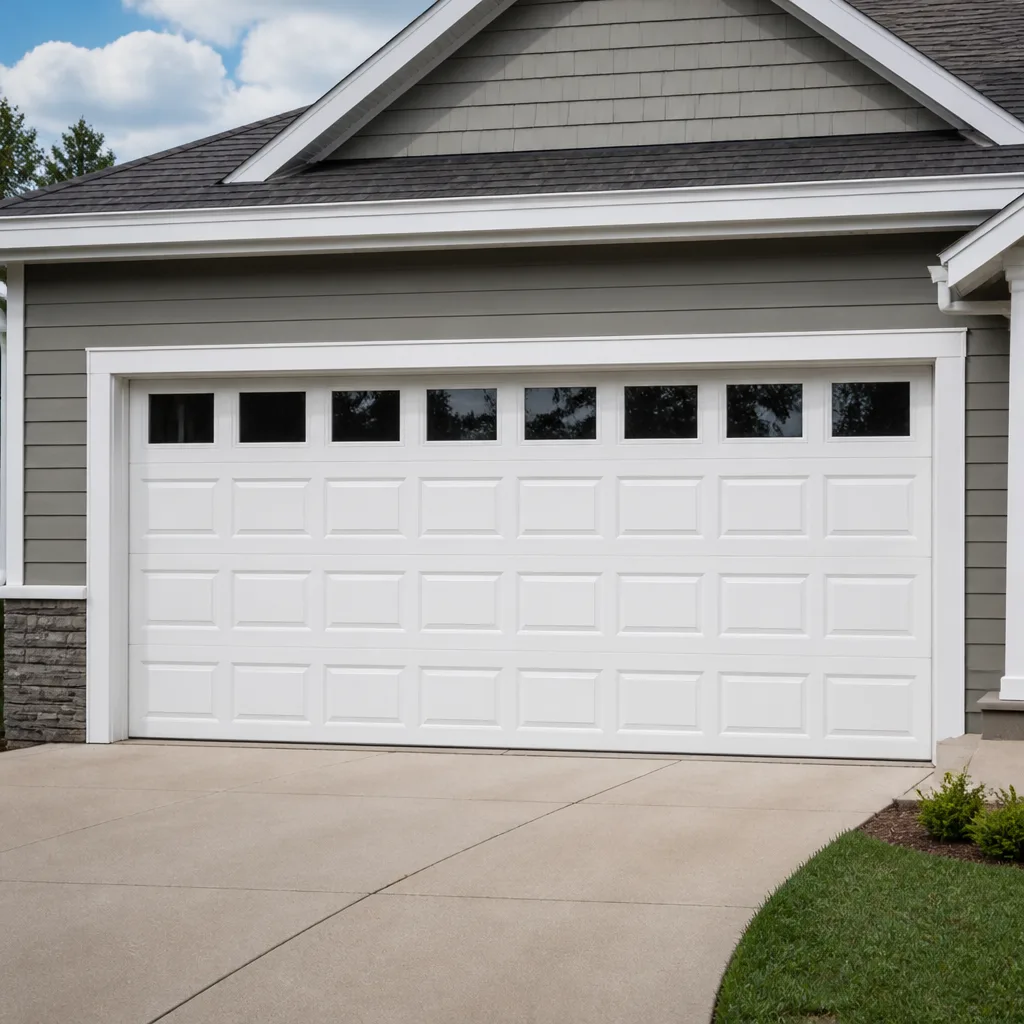 Raised-panel steel
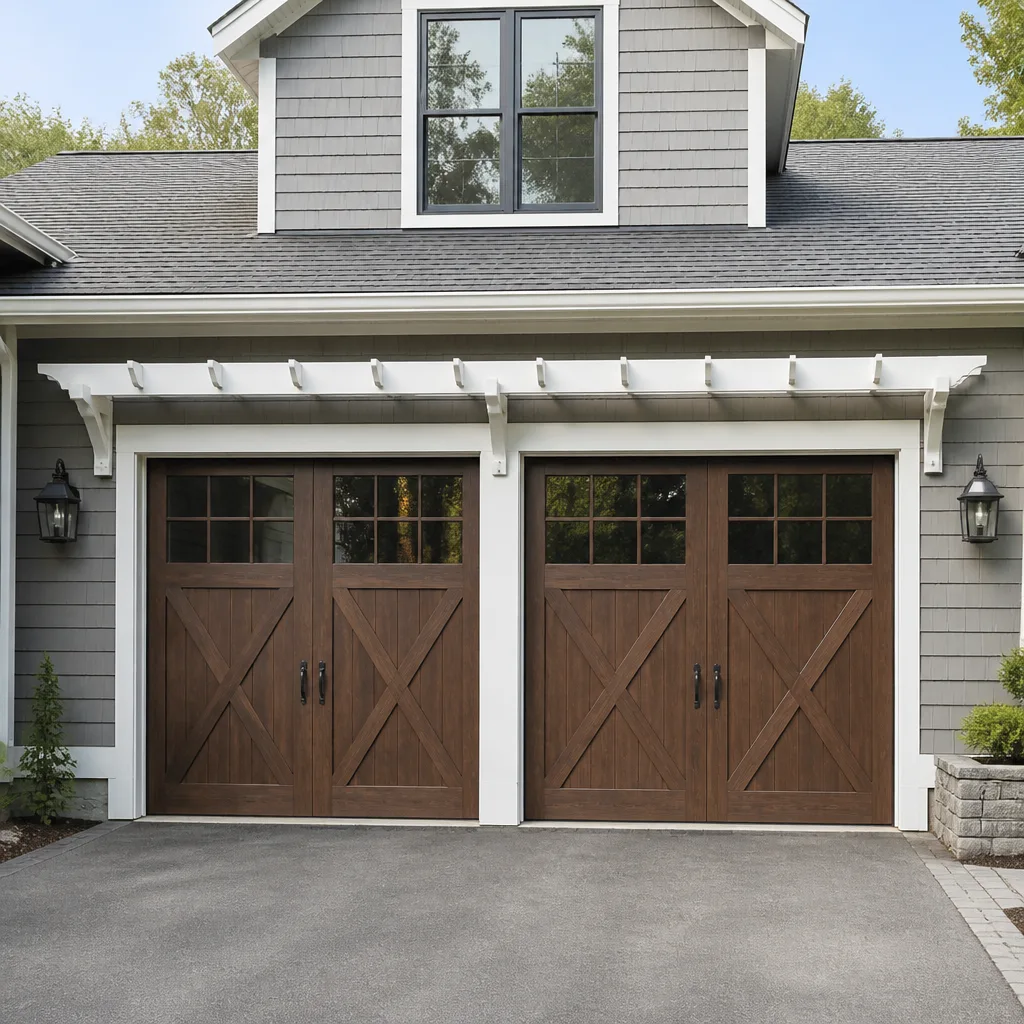 Carriage house
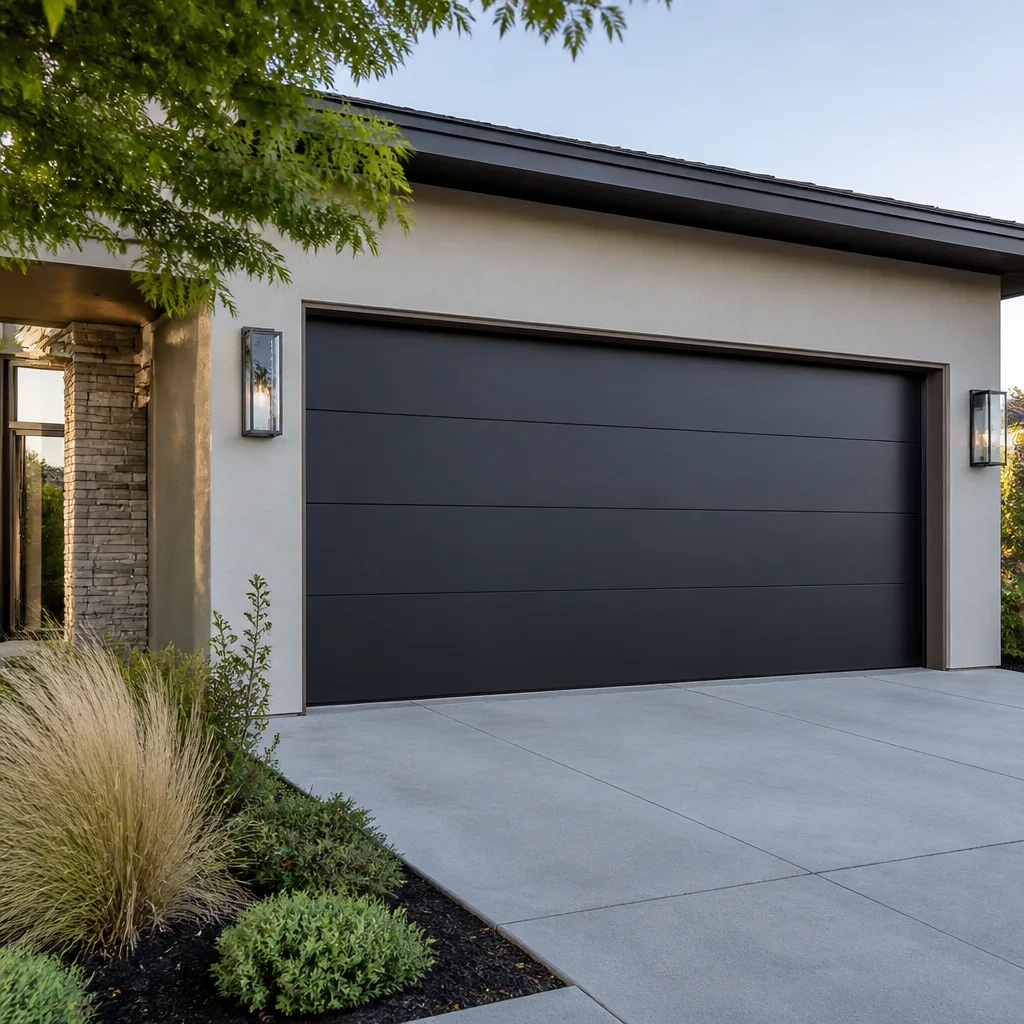 Modern flush
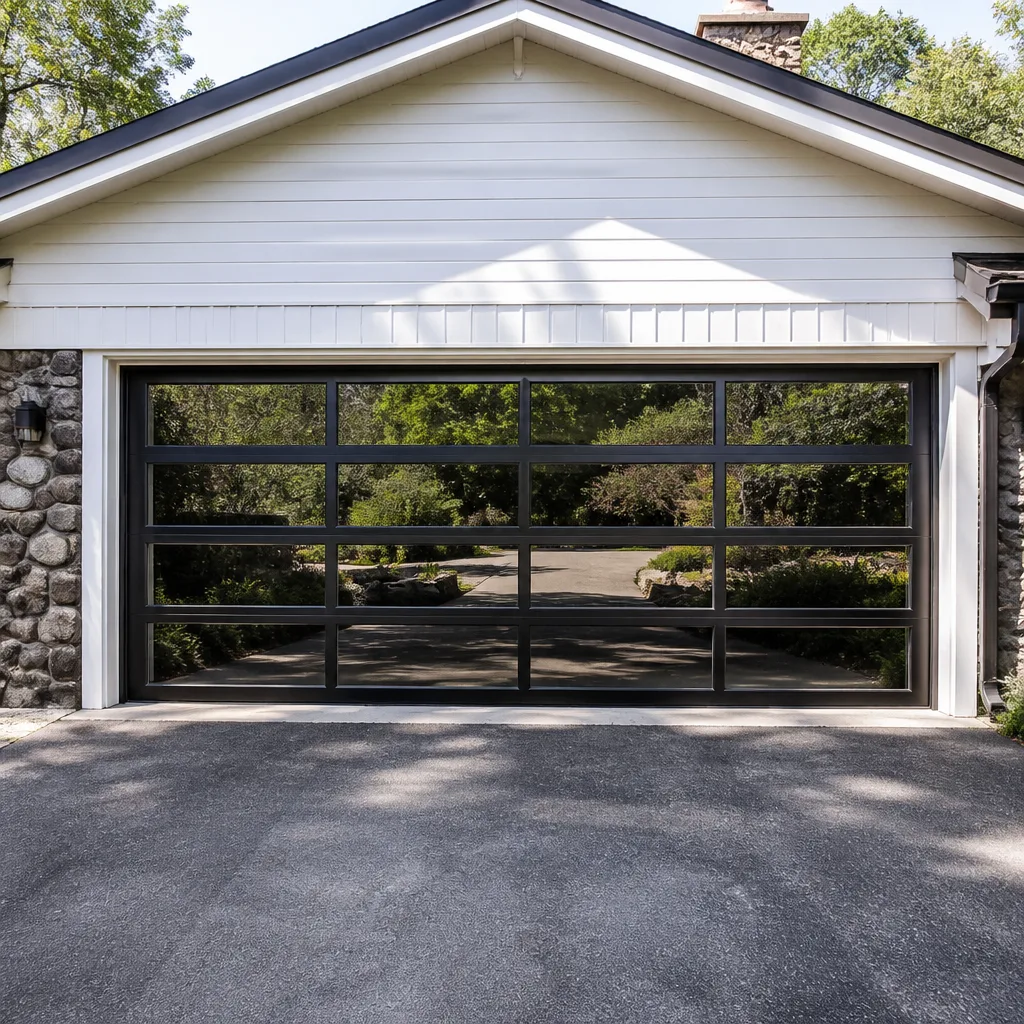 Full-view glass
 LiftMaster openers
 Chamberlain openers
Full 25-point door and opener safety check with every visit - springs, cables, rollers, tracks, and your LiftMaster or Chamberlain opener included
You get a price before we start. It does not change when the pro arrives.
Get your free estimateSeasonal Garage Door Care for Hicksville: Year-Round Homeowner’s Guide
Most homeowners think about their garage door twice a year: when it breaks, and right after they pay to fix it. That’s the whole problem. Here in Hicksville, a garage door lives through four very different seasons, and each one attacks a different part of the system. Winter contracts the steel and loads the springs. Summer swells the wood and bakes the paint. Fall drops debris into the tracks and pushes cold in. Spring? Spring is when all that stored-up winter damage finally announces itself with a bang at 7am. This guide walks you through what each season actually does to a garage door in our climate, and what to check – and when – to keep the repair bills small. By the end you’ll have a month-by-month calendar built for Hicksville weather, not the generic national advice you find on every other page.
Quick Answer
Garage door care in Hicksville follows the seasons: prepare for hard freezes in fall, watch for heavy-feeling doors and slow springs in winter, inspect tracks and hardware thoroughly in spring once temperatures settle, and manage humidity and heat in summer. The single most important habit is a short visual and listening check each month, because the wear that causes most emergency calls builds up slowly across all four seasons.
Styles & brands we work with
- Raised-panel steel
- Carriage house
- Modern flush
- Full-view glass
- LiftMaster openers
- Chamberlain openers
Table of Contents
- Why Seasonal Care Matters More in Hicksville
- Fall: Getting Ready for the First Hard Freeze
- Winter: What Below-Freezing Temperatures Do to Springs and Doors
- Spring: The Post-Winter Inspection Sequence
- Summer: Humidity, UV, and Opener Motors
- Your Month-by-Month Task Calendar for Hicksville
- Opener and Door Brands You’ll Find in Hicksville Garages
- Common Mistakes to Avoid
- When to Call a Professional
Why Seasonal Care Matters More in Hicksville
A garage door is the largest moving object in a house, and it’s also the one that lives in the harshest room in the house. The garage isn’t living space. It’s a semi-exposed structure that sits on an unheated concrete slab, has an uninsulated ceiling in many homes, and takes the full swing of outdoor temperature because the door itself is a big flat panel facing the weather. In Hicksville that means the door and its hardware run through a genuinely wide annual temperature range, with hot, humid summers and winters that drop well below freezing for stretches.
What that swing does to the parts is predictable:
- Steel panels expand in the heat and contract in the cold. The seams, hinges, and rollers take that movement on every cycle, and small gaps open up at the worst times.
- Torsion and extension springs are under constant tension. Cold steel behaves differently than warm steel, and the springs do the most work in the months when the metal is at its least forgiving.
- Seals and weatherstripping are the soft parts, and soft parts are the first to crack. A weather seal that was fine in September is often brittle and split by January.
- Wood doors take on moisture in humid air and let it go when the air dries. That cycle loosens joints and stresses painted surfaces over the years.
- Opener motors work harder in temperature extremes. The motor on a door that’s stiff with cold or dragging in humidity is doing much more work than the same motor on a mild day.
The pattern we see across Hicksville is that the winter does the damage and spring delivers the bill. Spring is the busiest season for garage door repair on Long Island, and it isn’t because anything about spring is hard on a garage door. It’s because three months of freezing temperatures have been quietly working on metal, seals, and springs that nobody looked at in October.
Fall: Getting Ready for the First Hard Freeze
Fall is the prep season, and the work you do in October and November sets the tone for how badly winter hits. When the first hard freeze arrives, you want everything in the system already in its best condition, because cold weather is when you least want a surprise.
What to do before the first hard freeze
- Lubricate the moving metal parts with a cold-weather-appropriate lubricant. The right choice is a garage door lubricant, lithium grease, or a silicone-based spray made for the job. Avoid general-purpose household oil and especially avoid anything that turns thick and waxy in the cold, because a lubricant that gets stiff at low temperature makes the door harder to move, not easier.
- Check the weather seal along the bottom of the door and the seals at the sides. Run a hand along the rubber or vinyl bottom seal and look for splits, hard spots, or sections that have pulled away. A cracked seal lets cold air and moisture in, and moisture near the door’s bottom panel is what gets into the track and freezes.
- Wipe and clear the tracks. Any debris, leaf litter, or buildup of old lubricant mixed with grit will cause the rollers to bind. Binding rollers make the door stiff, and the opener fights that added resistance all season.
- Test the door’s balance. Disconnect the opener (in most setups, pull the release cord), lift the door by hand to about halfway, and let go. A well-balanced door should stay put. A door that drops quickly is telling you the springs are tired and worth a professional look before winter.
- Test the opener’s safety features. Put a small block, like a piece of scrap wood, in the door’s path and confirm the door reverses when it hits it. Test the photo-eye sensors by waving an object through the beam. This matters all year, but it matters most in winter, when people turn on the door and walk away.
- Check the door’s fasteners and hinges. Bolts and hinge screws back out over time. A quick tighten with a wrench handles most of it. If a hinge is cracked or a roller is worn flat, that’s a replacement item.
One fall-specific note for Hicksville: trees drop debris on the driveway and into the track channels every fall. Sweeping out the tracks after a windy stretch is quick and it prevents a roller from picking up a chunk of bark and grinding it into the track over the winter.
Winter: What Below-Freezing Temperatures Do to Springs and Doors
Winter is where the real stress lands. Cold air does two things at once: it shrinks and stiffens the metal, and it hardens the rubber and vinyl seals. A garage door that feels slightly “off” in January is usually responding to both at the same time.
Why springs behave differently in the cold
Spring tension is calibrated to work with a door of a certain weight. When the temperature drops, the steel components contract and the door’s overall resistance to movement goes up. The springs have to do more work to lift the same door, and because the metal itself has less give in the cold, they take more load per cycle. That’s why a spring that was fine in September can fail in January or February without any visible warning. It isn’t that the cold “broke” the spring out of nowhere; the cold pushed a spring that was already near the end of its life over the edge.
A heavy-feeling door in January is normal to a point. Cold lubricant, a stiff seal, and contracted metal will make the door feel a bit slower and heavier. What isn’t normal:
- The door feels dramatically heavier than in warm weather, or won’t stay up when you lift it by hand with the opener disengaged.
- You hear a loud bang from the garage, followed by the door refusing to rise. That’s typically a spring, and it should never be forced.
- The opener struggles, pulls hard, or reverses back down partway through travel.
- The door is visibly crooked or one side lags the other, which points to a spring or cable problem.
- There’s a visible gap or sag in the door’s alignment when it’s fully closed.
Winter safety and cold-weather habits
Never force a door that won’t move. If a spring has snapped or a cable has gone slack, the door’s weight is no longer held safely, and forcing it can drop the door or send a cable loose. This is the one part of the whole garage door system you should not try to fix yourself – high-tension springs and the cables that ride with them store enough energy to cause serious injury, which is exactly why spring repair is a job for a trained professional with the right tools.
Winter is also the season for emergency calls. A door that’s stuck open in freezing weather is a security hole, and a door that won’t open means you can’t get the car out. That’s the reason our dedicated emergency service exists as a core offering, not a side line. Call (888) 891-6453. We answer 24/7. Fast dispatch from 7am to 7pm.
Spring: The Post-Winter Inspection Sequence
Spring arrives and the phone starts ringing. Winter’s damage is now visible, and the doors that got the least attention in the fall are the ones failing first. When the ground thaws in Hicksville, there’s another element in play: frost heave. Wet soil expands as it freezes and shifts as it thaws, and that movement can nudge the concrete slab the garage sits on. A slight shift is common. But a shifted slab can throw off the door’s track alignment, so the door no longer runs true in its channel, or it can change the plane of the floor under the door, letting the bottom seal ride unevenly.
The post-winter inspection, in order
- Walk the door and look at the bottom seal. Check for uneven contact with the floor. Gaps at one end can point to a floor slab that moved slightly over the winter, or a door track that’s out of alignment.
- Run the door by hand with the opener disengaged. Check for binding, scraping, or points where the door seems to stick. This tells you whether the issue is the door’s hardware or the opener itself.
- Look at both vertical tracks. They should run parallel to the door and be straight. Sighting up the track like a rifle barrel makes any bend or out-of-square obvious. Frost heave, or a winter car bump, is often the cause.
- Check the horizontal tracks at the ceiling. Same idea: straight and parallel. A bent horizontal track means the door will drag or the rollers will wear fast.
- Inspect rollers and hinges. Worn rollers can have flat spots, and hinges can crack in the cold. Replacing a couple of rollers is a quick job; ignoring them grinds the tracks.
- Re-lubricate the moving parts. Winter strips lubricant and dries out the old film. A fresh application in spring, with the same cold-weather-friendly lubricant you used in fall, keeps everything moving smoothly through the warm months.
- Test the balance again. Same test as the fall: half-up, let go, see if it stays. If the door drops, the springs are tired. Don’t adjust tension yourself – that’s a professional call.
- Test the safety reverse and photo eyes. The block test and the beam test. Do them again even if you did them in the fall. It’s the fastest check you can run.
Summer: Humidity, UV, and Opener Motors
Summer is the quiet season for garage door emergencies, which makes it the best season to actually fix the small things before they grow. The two main forces are humidity and sunlight, and each affects a different type of door.
Wood doors and humidity
Long Island summers are humid, and wood doors respond to that humidity by absorbing moisture and swelling. Swollen wood changes how the door fits in the opening, and it stresses the joints and panels. Painted wood also takes on the summer sun, which breaks down the paint film over the years and lets moisture into the grain. The general rule for a wood door in Hicksville is to keep an eye on the paint and stain: if it’s chalky, flaking, or thin at the panel edges, a fresh coat before winter is worth the effort. That’s the surface that protects the wood from both the summer moisture and the winter freeze-thaw.
Painted steel doors and UV
Steel doors don’t swell, but the factory paint finish is still the door’s outer skin, and summer sun is what breaks it down. Chalking, fading, and dull spots are early signs. On a painted steel door, a small chip or a spot where the paint has worn thin is where rust starts, and once rust starts at a seam or along the bottom edge, it’s much harder to stop. The fix is simple: catch chips early and touch them up. Look at the bottom panel and the corners first, since they take the most sun and the most splash from the driveway.
Heat and opener motors
Heat affects opener motors in a couple of ways. The motor itself runs hotter when the ambient temperature is high, and a door that’s dragging from worn rollers or a stiff hinge makes the motor work harder. If your opener has a thermal cutout (many models from LiftMaster and Chamberlain do), you may see the door stop responding on a hot afternoon and then work again later once the motor cools. That’s the motor telling you the door’s resistance is too high. Don’t just reset it and forget. Have the door’s mechanical parts checked.
Summer is also the right time for opener maintenance you can do yourself:
- Clean the photo-eye lenses with a soft cloth if the door has been reversing for no obvious reason.
- Check that the manual release works smoothly.
- Look at the wall control and any smart-home connection, and re-pair if the app has lost the unit. Genie, Chamberlain, and LiftMaster all have app-based setups that can drift out of sync.
- If the opener’s travel limits seem off, or the door doesn’t close all the way, that’s usually a limit setting or a mechanical drag issue – worth a professional look rather than a guessing game with the adjustment screws.
Your Month-by-Month Task Calendar for Hicksville
This is the calendar that matches Hicksville’s actual climate pattern: hot, humid summers and freezing winters, with a fall and spring that shift fast. It’s built around when the damage happens, not when it’s convenient to think about it.
- January: Listen to the door. Any unusual noise, added heaviness, or reverse-back should get a professional look before it becomes a stuck door. Test the safety reverse and photo eyes.
- February: The peak month for spring failures. If the door won’t rise or there’s been a loud bang, don’t force it. Call for spring repair; this is not a DIY job. Keep the door’s path clear of snow and ice at the bottom seal.
- March: Spring thaw plus frost heave. Watch for track alignment problems, uneven bottom seal contact, and any door that suddenly runs crooked. Book the post-winter inspection.
- April: Run the full post-winter inspection sequence from the section above, in order. This is the month the winter’s damage becomes visible. Get it fixed before the summer heat.
- May: Lubricate the moving parts with a fresh application. Wipe out the tracks. Address any wood door paint touch-ups before the humidity peaks.
- June: Test the opener and its safety sensors. Re-pair any smart-home connections. Check the bottom seal for damage from winter and spring.
- July: UV season. Check the sun-facing panel for chalking or thin paint. Touch up chips on steel doors. Listen to the opener for any change in tone that suggests added drag.
- August: Humidity peak for wood doors. Look for swelling at the door’s edges, sticking, or staining at the joints. Plan any repaint before the weather turns.
- September: Fall prep begins. Test the door’s balance, tighten fasteners, check hinges and rollers, and inspect the weather seal.
- October: The critical prep month before the first hard freeze. Lubricate with a cold-weather-appropriate product, check the bottom seal, clean the tracks, and test the safety reverse.
- November: Final pre-freeze checks. Clear driveway debris and leaf litter out of the tracks. If anything in the system is nearing the end of its life, get it looked at before the cold arrives.
- December: Keep the bottom seal clear of snow and ice. Watch for a door that starts feeling heavier as temperatures drop, and call if it does.
That’s twelve checkpoints, but the truth is most of them take under ten minutes. The two that really matter are October (before the freeze) and April (after it). If you only do two, do those two.
Opener and Door Brands You’ll Find in Hicksville Garages
Hicksville has a wide mix of homes, and garages age differently. Some have openers from the 1990s that still run; others have been upgraded to smart-home systems in the last few years. The brand mix matters for one practical reason: service. If your installer or repair company only works on one brand, you’re out of luck when your door needs attention.
We work on whatever brand you have, and our technicians are experienced across the major brands you’ll find in the area. LiftMaster and Chamberlain are common on newer homes, and both have app-connected models that people rely on for daily check-ins. Genie has a huge installed base across older homes, and many of those units still run fine with the right maintenance. Clopay doors are a frequent sight on Long Island, and the door brand and the opener brand don’t need to match – an older door and a newer opener is a completely normal pairing.
That brand-agnostic approach matters most in the summer on opener issues and in the winter on spring problems. If you’re not sure what you have, look at the opener’s label (usually on the back or side of the motor housing) and the door’s label (usually on the inside of the top panel). A model number and a phone photo are enough for a service call to be scheduled correctly.
Common Mistakes to Avoid
- Lubricating with the wrong product. Household oil and WD-40 are not the right choice for garage door tracks and rollers. They thin out, collect dust, and leave a film that gets gummy. A garage door lubricant or silicone spray is the correct product.
- Ignoring the door in the fall. This is the single most expensive mistake in the Hicksville climate. The condition of the door in October determines how much damage the winter does. Skipping the fall check is how you end up with an April repair bill.
- Forcing a frozen or heavy door. A door that won’t move in January has a mechanical problem. Forcing it stresses the springs, cables, and opener, and it can drop the door unexpectedly. Stop and call.
- Adjusting spring tension yourself. Springs store a lot of energy, and the tools and technique to adjust them safely are specialist tools. This is the most dangerous job on a garage door. Don’t attempt it.
- Ignoring small noises. A squeak, a rattle, or a slight grind that appears in one season and fades in the next isn’t normal. It’s the sound of wear building. In this climate, wear that starts in the fall is often failing by spring.
- Skipping the safety reverse test. This is the single fastest safety check you can do, and it takes about a minute. Do it monthly, or at least every season. It’s also the check people skip most often.
- Painting over a door without addressing old weather seal. A fresh coat of paint on a steel or wood door looks good, but if the bottom seal is cracked or the sides are letting water in, the paint is covering a problem instead of solving it. Seal first, then paint.
- Assuming a single-issue fix is enough. On a door that’s been through multiple seasons with no service, a spring repair alone may not solve the whole problem. The rollers and tracks often need attention at the same time. A professional look at the whole system is often more economical than a string of single repairs.
When to Call a Professional
Most of the seasonal checks in this guide are things any homeowner can do: lubricating, testing the safety reverse, sweeping the tracks, listening for a new sound. But some situations call for a professional, and some should be handled right away.
Call a professional if:
- You hear a loud bang from the garage and the door won’t open. That’s typically a broken spring, and it’s not a DIY fix.
- The door is crooked, one side lags the other, or a cable appears slack.
- The door won’t stay up when you lift it halfway with the opener disengaged.
- The opener still cycles but the door doesn’t move, or the door reverses back down repeatedly.
- The tracks are visibly bent or out of alignment.
- The door is stuck open, which leaves the home and its contents exposed.
- The door feels noticeably heavier than usual in cold weather, or you’re just not sure what you’re looking at.
Hicksville Garage Door Repair Pros offers free estimates in Hicksville, and we work on whatever brand you have – LiftMaster, Chamberlain, Genie, Clopay, and the other major brands you’ll find in local garages. If you’re not sure whether the issue is urgent, call and ask. Better to ask at the start than after the door drops. Call (888) 891-6453. We answer 24/7. Fast dispatch from 7am to 7pm, Sunday through Friday. Our technicians have up to 12 years of experience, and spring repair is a dedicated service we handle in-house.
See the difference
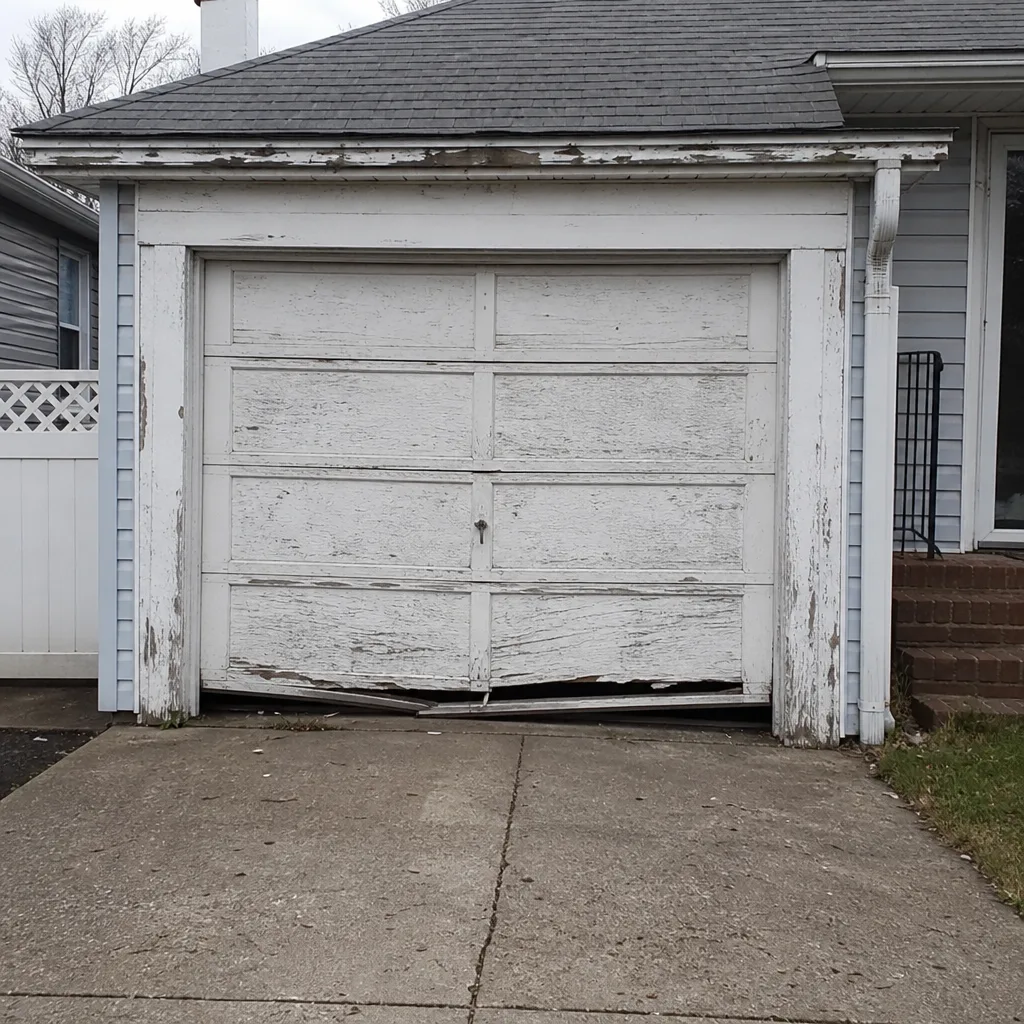 Before
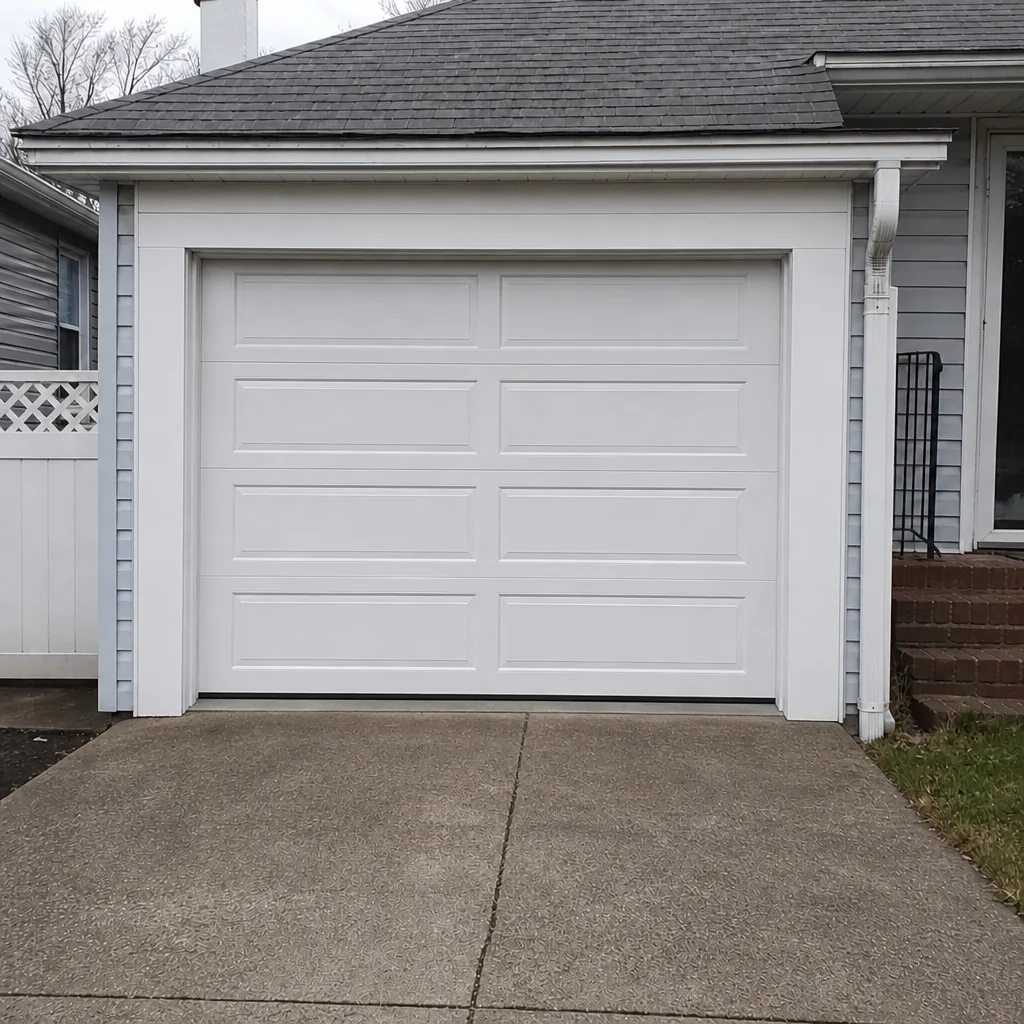 After
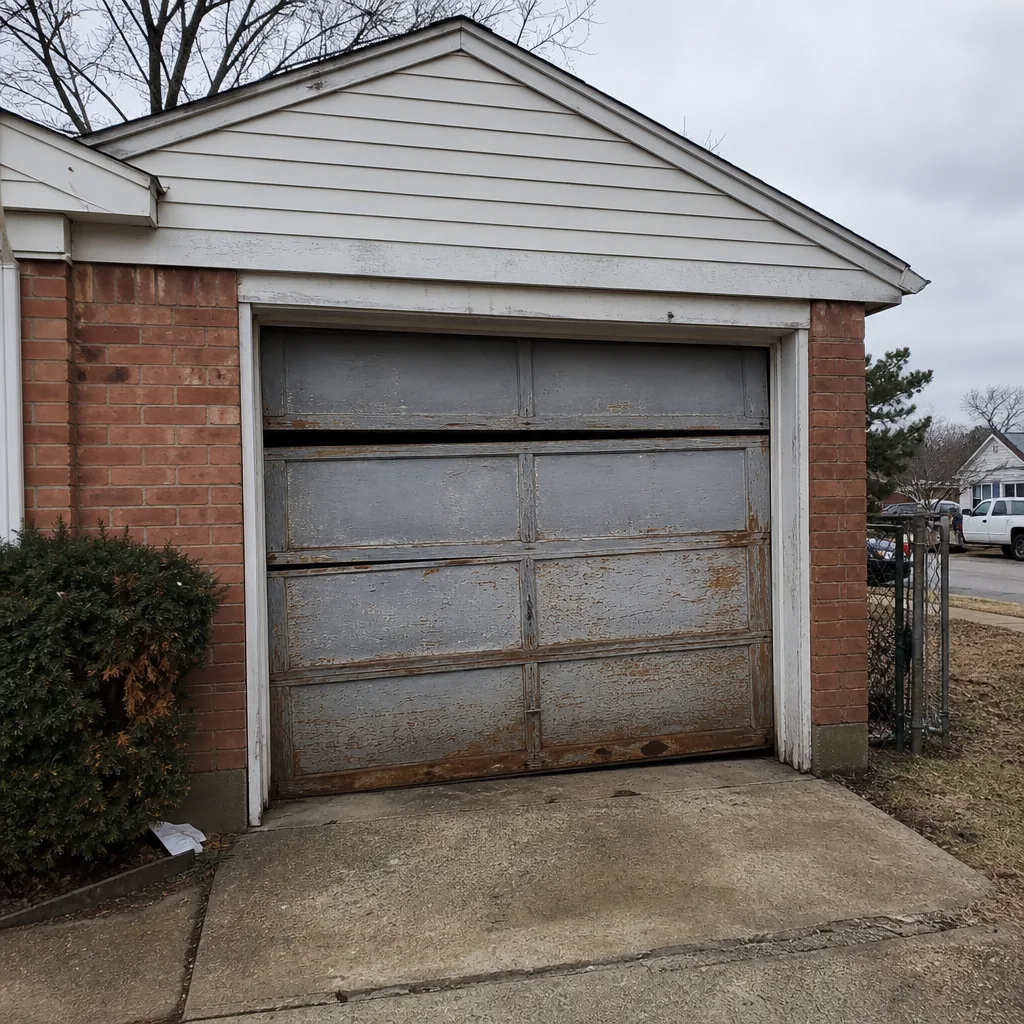 Before
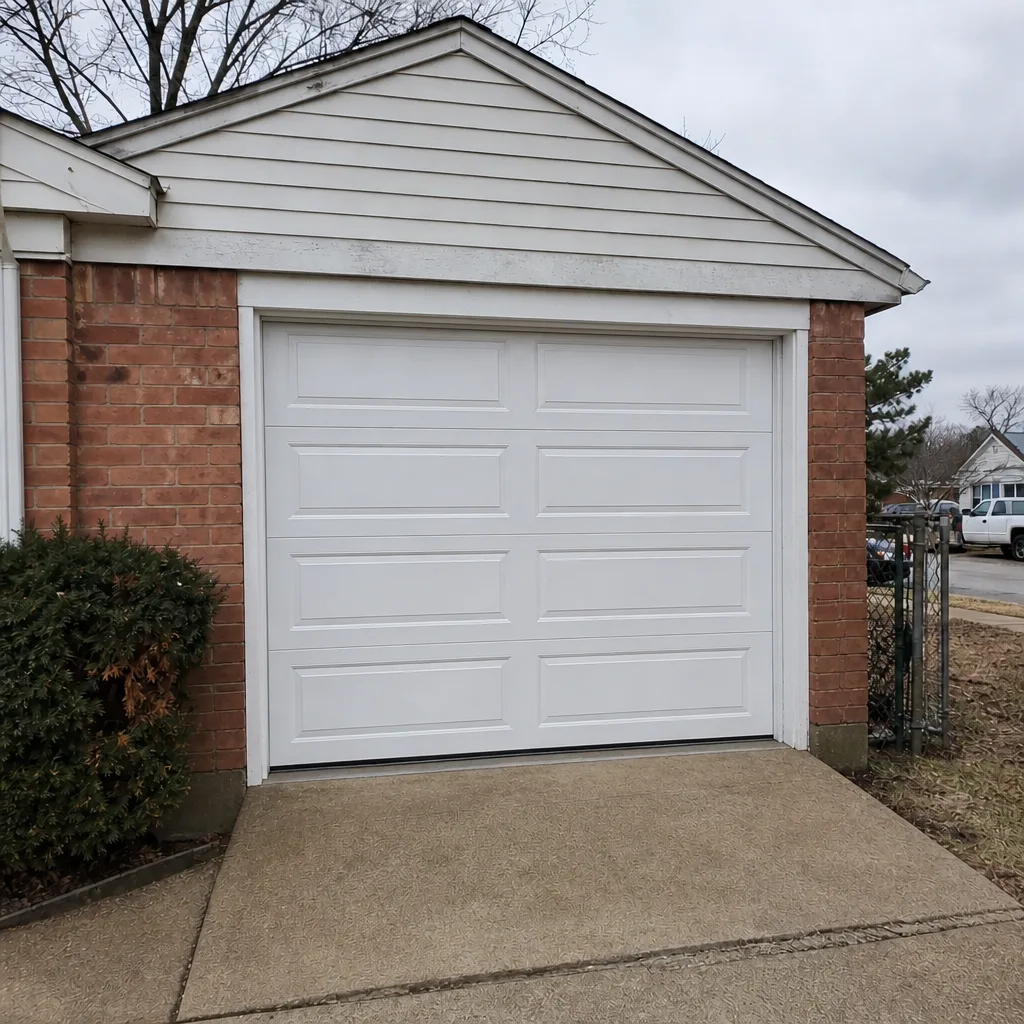 After
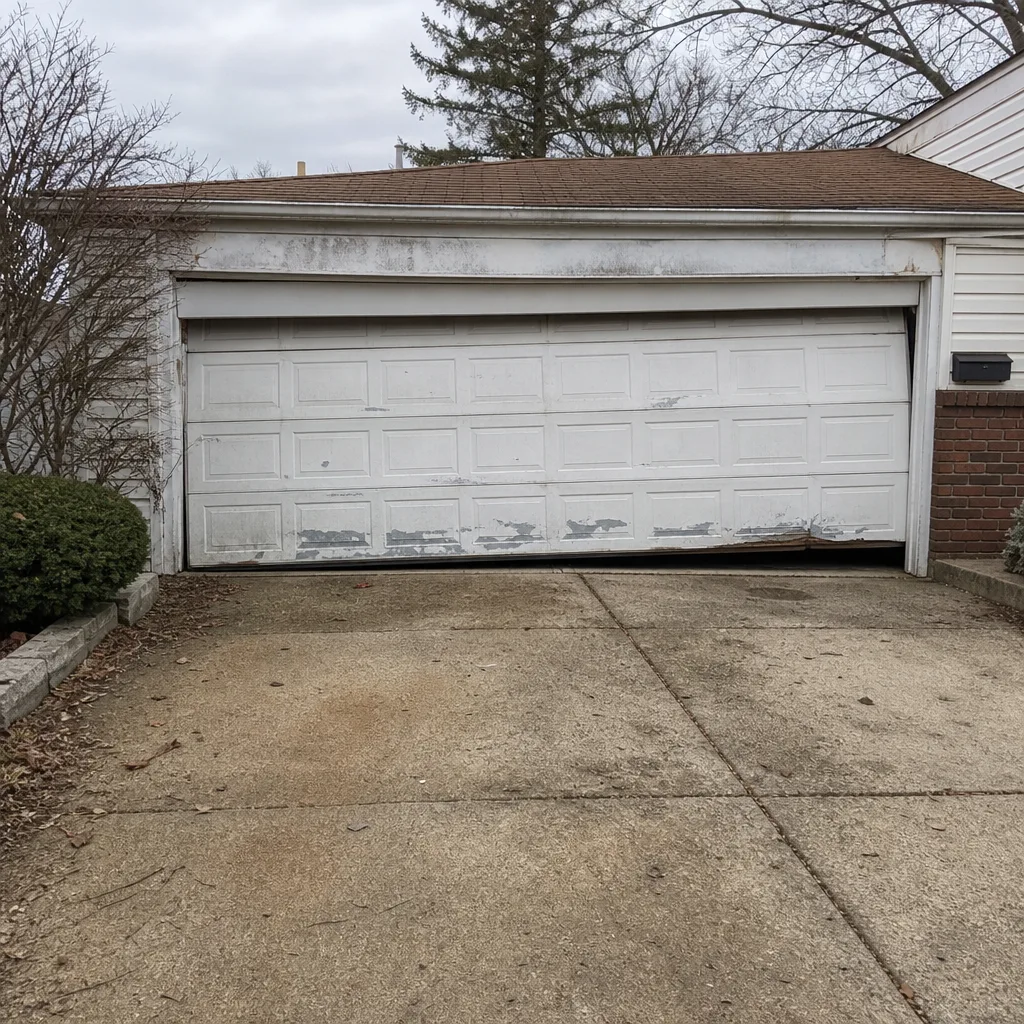 Before
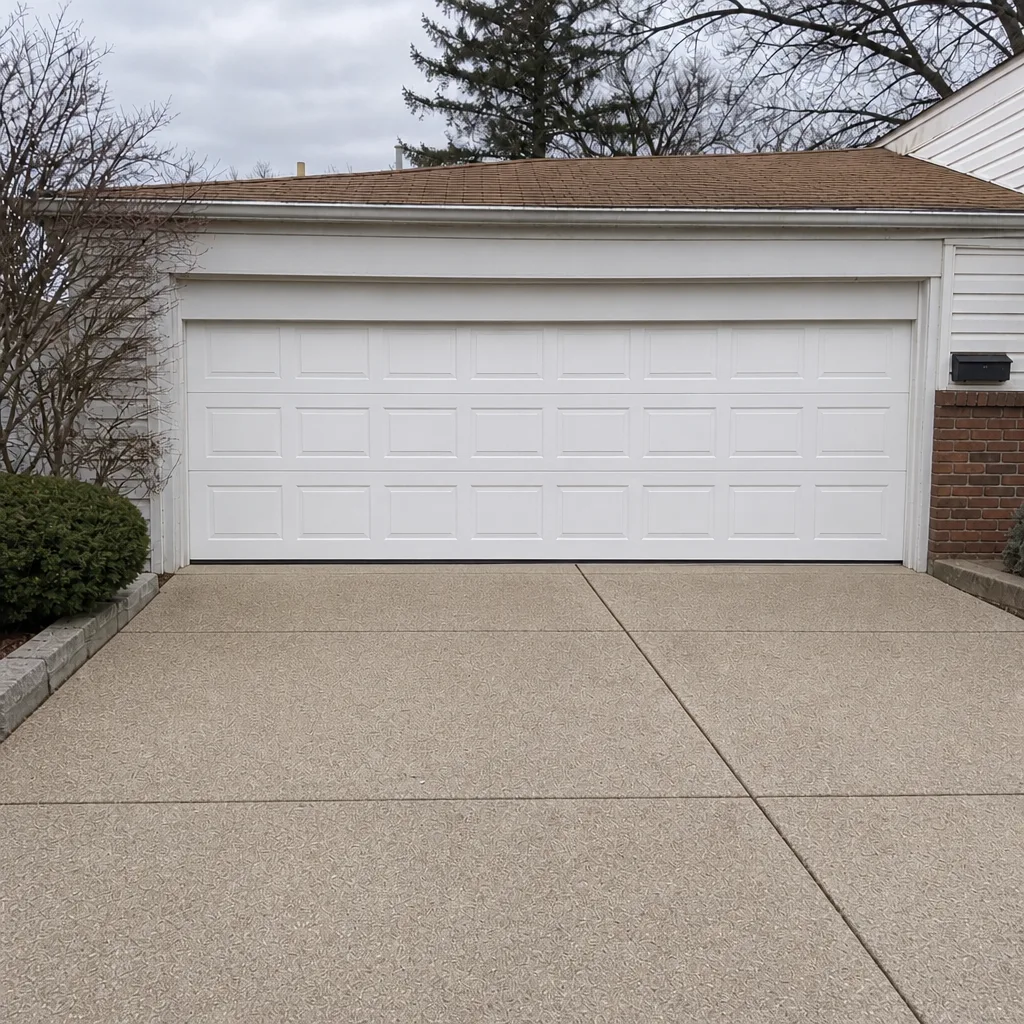 After
Frequently Asked Questions
October and April are the two best times in Hicksville. Do a full check in October before the first hard freeze, then a complete post-winter inspection in April once temperatures settle. The fall check is the one that prevents winter damage; the spring check is the one that catches it.
Cold contracts the metal, thickens the lubricant, and stiffens the seals, so a door that felt fine in September can feel heavy in January. That’s normal to a point. If the door becomes dramatically heavier, won’t stay up when lifted by hand, or the opener struggles, that’s a warning sign of worn springs or a mechanical problem and should be checked by a professional.
No. Torsion and extension springs are under high tension and can cause serious injury if handled without the right tools and training. This is the most dangerous job on a garage door. If a spring has snapped, keep the door closed if you can, keep people away from the moving parts, and call for professional spring repair.
Look at the vertical tracks and sight up them like a rifle barrel. If they’re bent, out of parallel, or the door is scraping on one side, the tracks have likely moved. That can happen after a hard freeze and thaw in Hicksville when the ground shifts under the slab. Any visible misalignment is worth a professional look before the door wears a roller or binds.
Yes. Humid summers swell wood, so watch for sticking edges and joints, and check the paint or stain for thin spots and flaking. A fresh coat before winter protects the wood from both the summer moisture and the upcoming freeze. If the wood feels soft or spongy in a spot, get it looked at before it spreads.
Run the door and listen for anything different – grinding, scraping, a new squeak. Then do a quick hand test on the balance (lift halfway with the opener disengaged and let go), and test the safety reverse with a wood block. That whole routine takes a few minutes and it catches most problems early. Do a deeper check in October and April using the seasonal lists above.
In most cases, yes. We work on whatever brand you have across the eight major brands common in the area, including LiftMaster, Chamberlain, Genie, and Craftsman. Look at the label on the motor housing or the door panel and call with the model information – that’s enough to get a service call scheduled correctly.
The Bottom Line
A garage door in Hicksville is a four-season machine, and each season stresses it differently. The winter is the one doing the damage, the spring is when the damage shows up, and the fall check is what decides how much damage happens at all. If you do one thing from this guide, do the October check: lubricate with a cold-weather product, clear the tracks, look at the bottom seal, and test the door’s balance. If you do two, add the April post-winter inspection. The rest of the calendar is ten-minute monthly checks that keep small wear from turning into a call you didn’t plan for.
When something’s wrong and it matters – a door that won’t open, a door stuck open, a spring that’s let go – call for a professional rather than forcing it. That’s the one call that’s always worth making. Hicksville Garage Door Repair Pros is a garage door specialist, and our free estimate is the starting point for any job. Call (888) 891-6453 for a free estimate. We answer 24/7. Fast dispatch from 7am to 7pm, Sunday through Friday.
Written by the team at Hicksville Garage Door Repair Pros.