
Last updated November 23, 2026
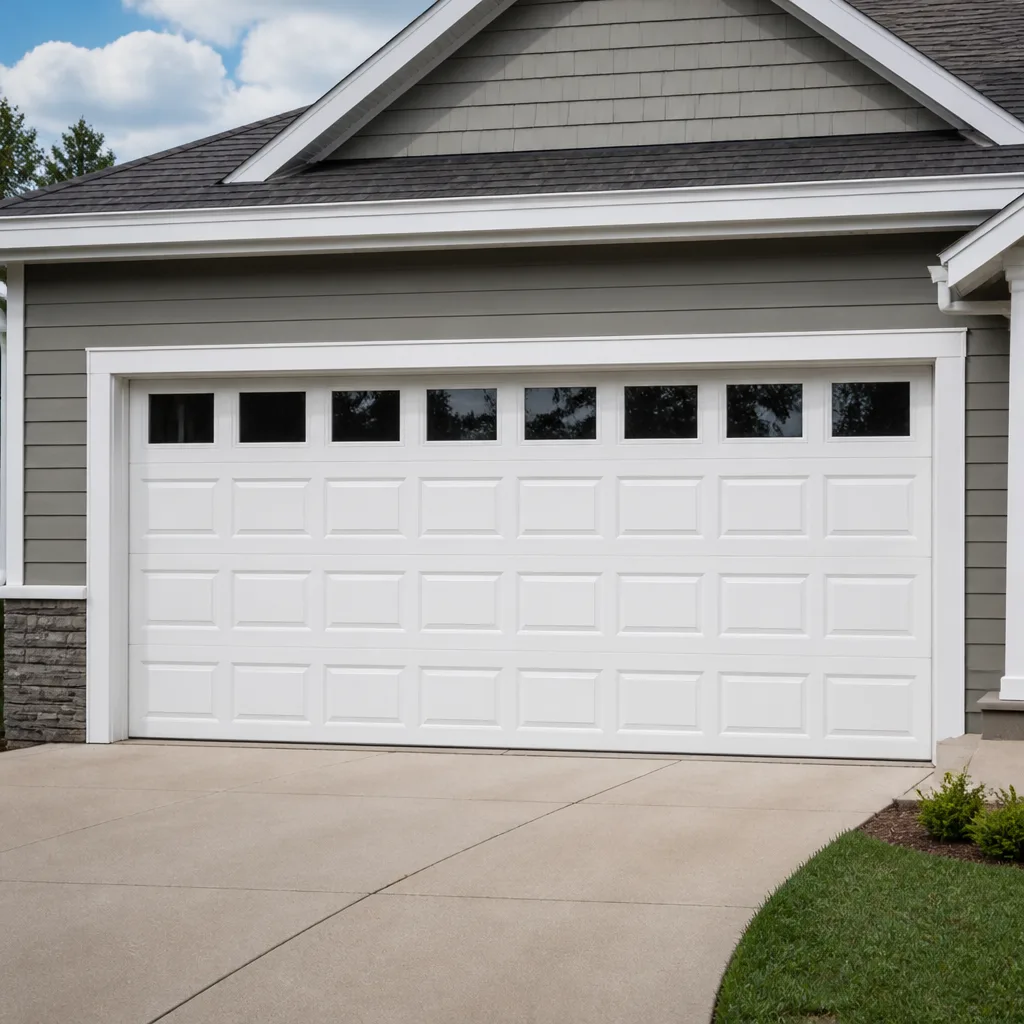 Raised-panel steel
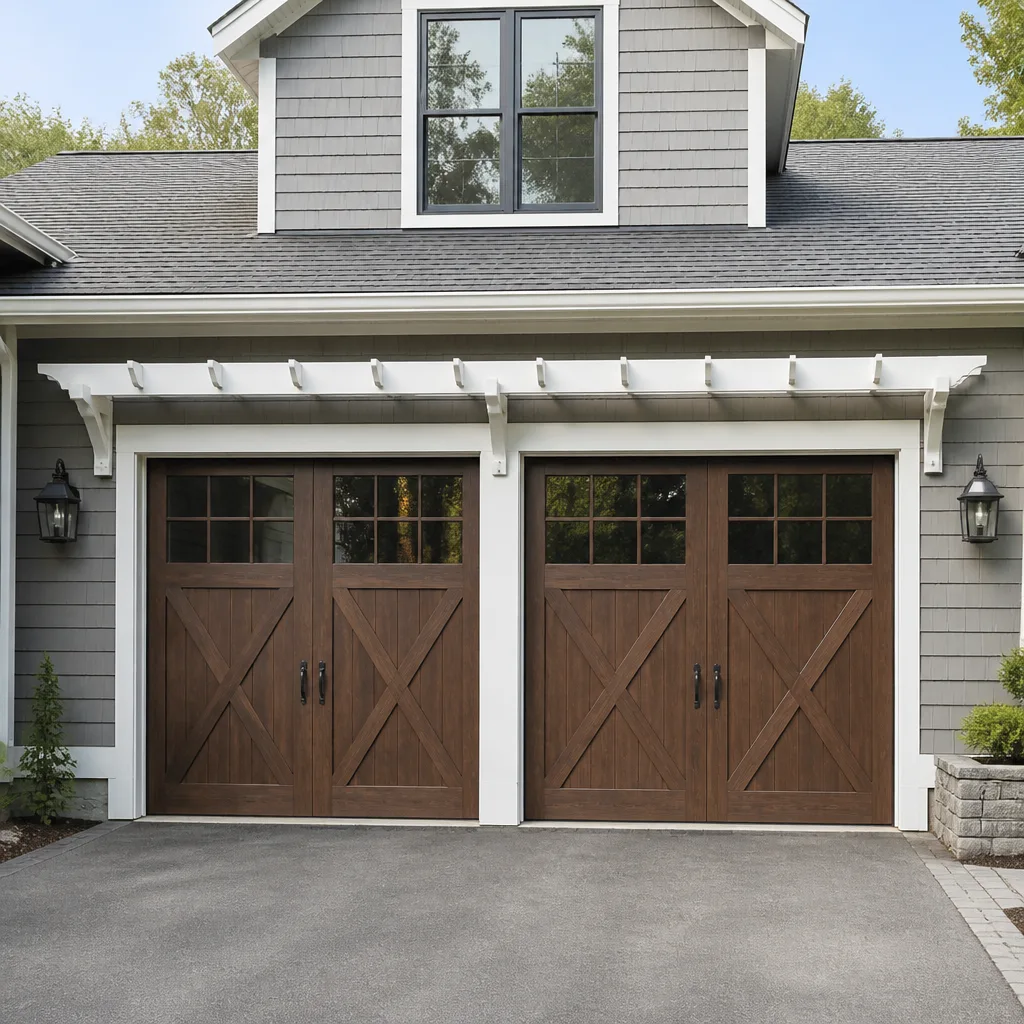 Carriage house
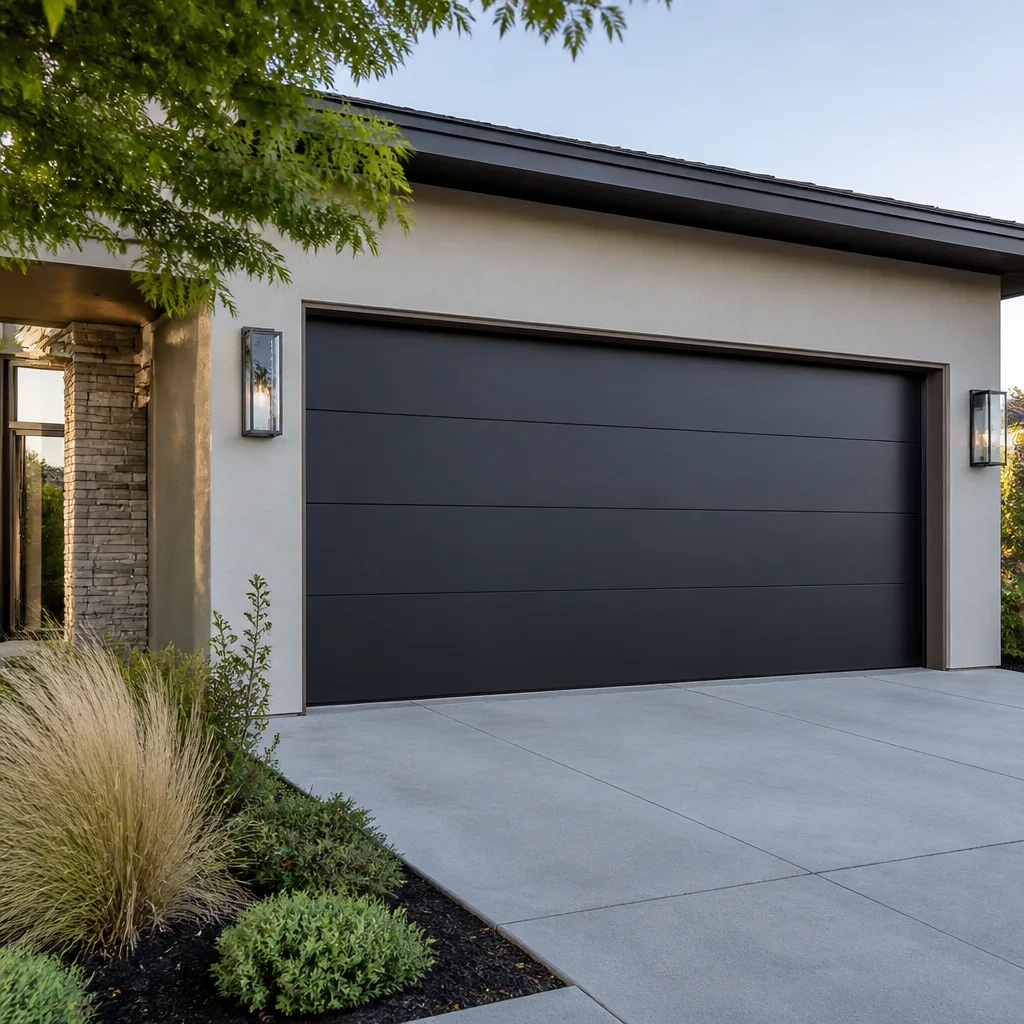 Modern flush
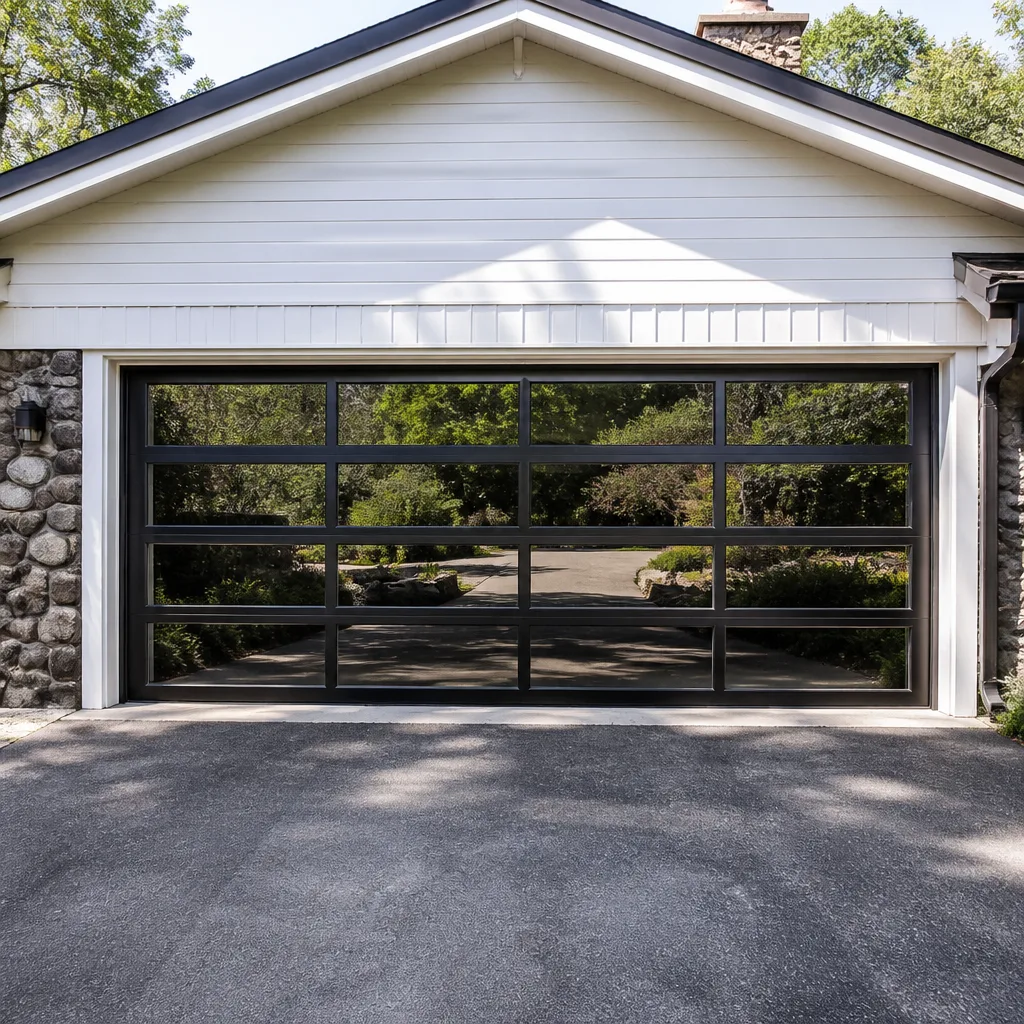 Full-view glass
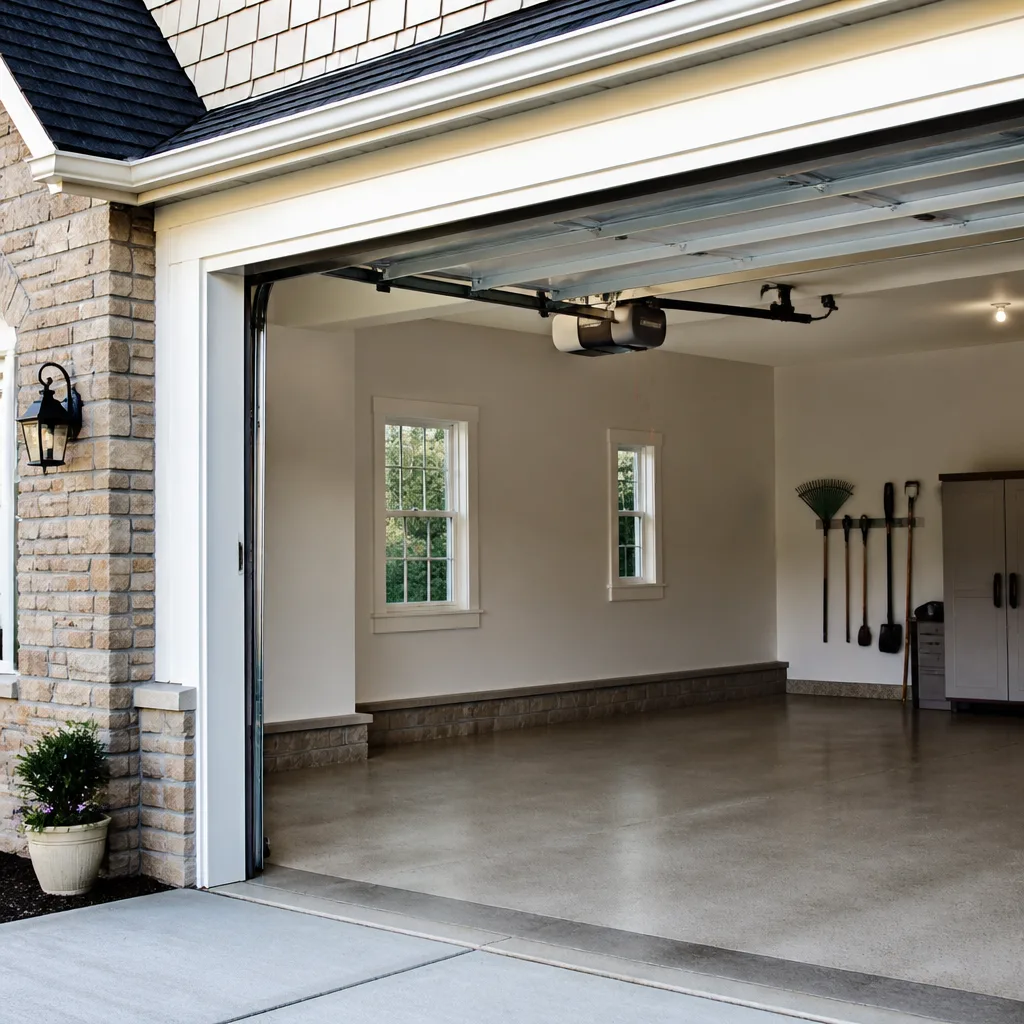 LiftMaster openers
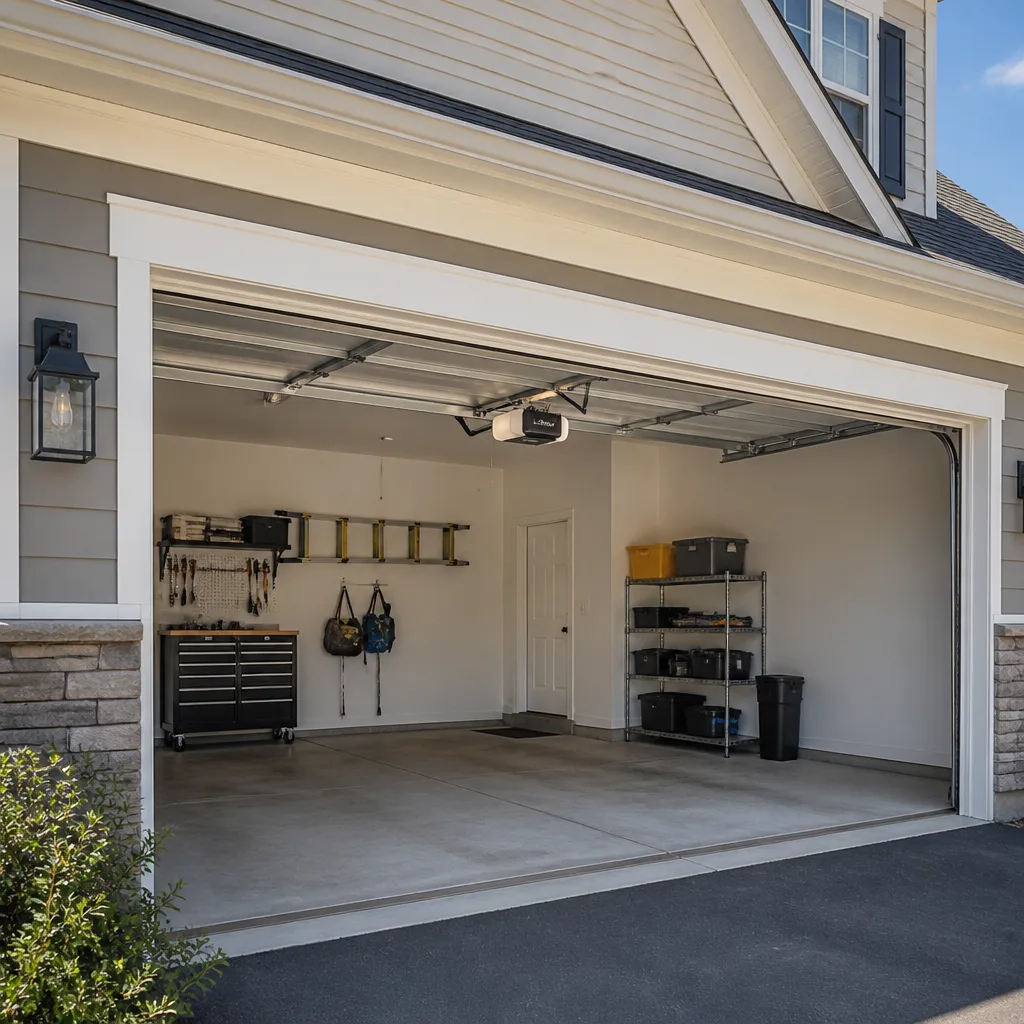 Chamberlain openers
Full 25-point door and opener safety check with every visit - springs, cables, rollers, tracks, and your LiftMaster or Chamberlain opener included
You get a price before we start. It does not change when the pro arrives.
Get your free estimateGarage Door Repair Troubleshooting in Hicksville: Common Problems and How to Fix Them
Two garage doors can look like they’re failing in completely different ways and still have the same fault underneath. A door that reverses halfway down and a door that won’t budge at all often trace back to the same misread safety sensor, which is exactly why starting with the symptom instead of the system sends people down the wrong repair path. In Hicksville, where plenty of homes run doors and openers that are well into middle age, that mistake gets expensive fast. This guide maps every common symptom to the mechanical or electrical system actually responsible, tells you which fixes are safe to try and which aren’t, and shows you where Long Island’s damp summers speed up wear on rollers, seals, and springs.
Quick Answer
Most garage door problems in Hicksville fall into four systems: the safety sensor circuit, the springs and cables, the tracks and rollers, or the opener and its logic board. Identify which system your symptom belongs to before you touch anything. Sensor and remote issues are usually safe to troubleshoot yourself, but torsion springs, cables, and track work on a heavy two-car door carry real injury risk and belong with a trained technician.
Styles & brands we work with
- Raised-panel steel
- Carriage house
- Modern flush
- Full-view glass
- LiftMaster openers
- Chamberlain openers
Table of Contents
- The Symptom-to-System Diagnostic Map
- Door Reverses or Won’t Close: The Safety Sensor First
- Grinding, Banging, or a Door That Won’t Lift: Springs and Cables
- Opener Runs but the Door Doesn’t Move: Motor, Logic Board, and Remote
- How Long Island Humidity and Sound Breezes Wear Out Specific Parts
- Three Repairs That Look DIY-Safe but Aren’t
- What to Check Before You Call for Service
- The Decision Tree: Match the Symptom to the Failing Part
The Symptom-to-System Diagnostic Map
Every garage door complaint you can name drops into one of four buckets, and knowing the bucket tells you more than the symptom itself. Here’s how we group them.
- Won’t close, or reverses on the way down – almost always the safety sensor circuit or a blocked photo-eye, occasionally a limit setting on the opener.
- Won’t open, or lifts a few inches and stops – usually a broken torsion spring, a snapped cable, or a door that’s come off one track. The opener is often just the messenger.
- Grinding, squealing, or dragging – worn steel rollers, dry hinges, or a track that’s out of alignment after a nudge from a car bumper.
- Moves slowly, jerky, or the lights flicker – opener motor strain, a failing capacitor, or a logic board on the way out, especially on older units.
- Remote or keypad works intermittently – battery, antenna wire, or interference from a nearby device on the same frequency.
The point of the map is this: a symptom tells you where to look, not what to buy. A door that reverses is a sensor question, but a door that reverses and also hangs crooked is a track and cable question wearing a sensor costume. Get the category right and the repair usually follows.
Door Reverses or Won’t Close: The Safety Sensor First
If your door goes down partway and then shoots back up, start at the two small lenses mounted near the floor on each side of the opening. Those are the photo-eye sensors, and a misaligned, dirty, or sun-blinded sensor is the most common reason a door refuses to close. The system is designed to reverse on any interruption, so it does its job even when the “obstruction” is just dust or a crooked bracket.
Here’s the order that resolves most of these calls:
- Look at the small LED on each sensor. Most units show a steady light when aligned and a flickering or dark light when they’re not seeing each other.
- Wipe both lenses with a soft cloth. A film of dust or a cobweb is enough to break the beam.
- Check that neither bracket has been bumped. Even a quarter inch of misalignment matters over a ten-foot span.
- Look for anything hanging in the beam path: a broom handle, a bicycle, a sagging bottom seal.
- Check the wiring at the back of each sensor; a loose staple or a chewed wire from a rodent is common in older Hicksville garages.
If the lights are steady and the beam is clear but the door still reverses, the problem has moved upstream to the opener’s limit settings or logic board. That’s when it’s worth having a technician look, because adjusting limits on the wrong unit can make a door close on an obstruction. If you’d rather not chase it, our garage door opener repair handles sensor and logic faults on the major brands.
Grinding, Banging, or a Door That Won’t Lift: Springs and Cables
A loud bang from the garage followed by a door that suddenly feels like it weighs a ton is the classic signature of a broken torsion spring. Extension springs fail with a similar snap but usually at the sides. Either way, once a spring breaks, the opener is trying to lift a door it was never designed to lift alone, and continuing to run it will burn out the motor or strip the gear.
What you should notice with a spring or cable failure:
- The door lifts a few inches and stops, or won’t move at all when you pull the release.
- A visible gap in the coiled spring above the door, or a stretched, dangling spring at the side.
- A cable that’s jumped its drum and hangs loose along the track.
- The door feels unusually heavy when you try to lift it by hand with the opener disengaged.
This is where we slow down. Torsion springs are under extreme tension, and the winding bars and technique needed to replace one safely are not things to improvise. Cables carry the same load. If you see a broken spring or a loose cable, stop running the door and keep hands and fingers clear of the springs, drums, and bottom bracket. Our garage door spring repair is a dedicated service precisely because this is the highest-risk job on the whole door, and it’s one we handle with the right tools and training rather than a general handyman’s kit.
One pricing note that saves confusion: when a matched pair of springs is replaced together – which is standard practice, since they wear at the same rate – the cost is roughly double a single spring. Ask which is being quoted so the estimate makes sense.
Opener Runs but the Door Doesn’t Move: Motor, Logic Board, and Remote
You press the button, the motor hums or the light comes on, but the door stays put. That’s an opener problem, and it usually splits into three causes: a stripped gear or broken drive, a failed capacitor that won’t let the motor start under load, or a logic board that’s stopped sending the signal to the motor.
Before you assume the worst, run through this:
- Is the manual release engaged? If the red cord was pulled, the door is disconnected from the carriage and the opener will run with nothing to move. Re-engage it by running the opener until the carriage catches.
- Does the wall button work but the remote doesn’t? That points at the remote battery, the antenna wire, or a frequency conflict, not the motor.
- Does the light blink a set number of times? Most openers flash a diagnostic code. A technician reads that code first, and it often saves a wrong part swap.
- Is the door itself bound up? A door that’s stuck on a bent track will stall a healthy opener. Disengage the door and try lifting it by hand; if it fights you, the opener isn’t the culprit.
We work on the openers most Hicksville homes actually have, whether it’s a decades-old Craftsman or a newer smart-home-compatible LiftMaster or Chamberlain, plus Genie units that are still going strong in plenty of local garages. Newer connectivity issues – an app that won’t pair, a Wi-Fi module that drops – sit alongside the old mechanical failures in our day-to-day work. If the motor turns out to be beyond repair, a replacement is a measured, scheduled job rather than an emergency.
How Long Island Humidity and Sound Breezes Wear Out Specific Parts
Hicksville sits close enough to Long Island Sound that the air here holds more moisture than an inland town a few dozen miles away, and that shows up in three places on a garage door.
Rollers. Steel rollers on a door facing a damp garage will rust at the bearing and start to grind and drag. That drag loads the opener and shortens its life. Nylon rollers hold up better in this climate, and swapping a set is one of the more satisfying fixes on an older door.
Bottom seals. The rubber or vinyl seal along the bottom edge takes the brunt of a wet floor and a damp threshold. It hardens, cracks, and stops sealing, which lets in drafts, water, and pests. A replacement seal is inexpensive and one of the few jobs most homeowners can do cleanly themselves.
Torsion springs and hardware. Moisture plus the constant flexing of a spring accelerates corrosion at the coil and the end plates. Rust doesn’t cause a spring to break on its own, but a corroded spring is a weakened spring, and it will fail sooner than a dry one. That’s a reason to have the springs looked at during any tune-up, not a reason to touch them yourself.
None of this is dramatic. It’s just the slow wear that comes with a marine-influenced climate, and it’s why a door that’s fine in a drier region can feel tired here a few winters earlier. Keeping hinges and rollers lightly lubricated and the seal intact goes a long way toward slowing it down.
Three Repairs That Look DIY-Safe but Aren’t
We’re all for saving a service call when the job is genuinely safe. These three are not, and they’re the ones we most often see half-finished when a homeowner calls us in.
- Torsion spring tension. A wound torsion spring stores enough energy to break a bone or worse if it releases while you’re near it. Winding and unwinding requires the correct bars and a firm understanding of which way the spring is loaded. There’s no safe shortcut, and the spring above a two-car door carries more load than most people expect.
- Cable drum winding. The cables run on drums at each end of the shaft and have to be wound evenly and under tension. A cable that slips the drum can whip loose. This is a technician job.
- Track realignment on a two-car door. A wide, heavy double door puts real force on its tracks. Straightening a bent track by hand looks easy until the door drops off the rollers. On anything wider than a single door, let a specialist reset it.
The pattern is the same in each case: stored energy. Spring, cable, and a heavy door on a misaligned track all hold energy that has to be released in a controlled way. A trained technician knows how. A YouTube video doesn’t change the physics.
What to Check Before You Call for Service
A meaningful share of service calls resolve over the phone once a homeowner checks a few things. Run this list before you dial – it’s the same set of questions we ask on the line.
- Is the opener plugged in and the breaker on? Obvious, and surprisingly often the answer.
- Is the wall button working? If yes and the remote doesn’t, it’s the remote or the receiver, not the door.
- Are the sensor LEDs steady? If either is dark or flickering, clean and realign before anything else.
- Was the manual release pulled? Re-engage the carriage and try again.
- Did the door just get bumped? Look along the tracks for a bent section or a roller that’s popped out.
- Is the door balanced? Disengage the opener and lift it halfway by hand. It should stay put. If it drops or fights you, the springs are suspect and you should stop.
If those checks don’t resolve it, or if anything you see involves a broken spring, a loose cable, or a door hanging off its track, that’s your cue to stop and bring in a specialist. For straightforward mechanical and opener faults, our garage door repair covers the brands you’re most likely to have – Clopay, Amarr, Wayne Dalton, LiftMaster, and more.
The Decision Tree: Match the Symptom to the Failing Part
Use this when you want a straight answer. Each line pairs a primary symptom with a secondary sign and names the part most likely failing, plus whether it’s a quick fix or a technician job.
- Reverses before closing + sensor LED dark or flickering – photo-eye misaligned or dirty. Safe to clean and adjust yourself.
- Reverses before closing + sensors steady and clear – opener limit or logic board. Technician.
- Won’t open + visible gap in spring – broken torsion spring. Technician, and stop running the door.
- Won’t open + loose cable along the track – cable off the drum. Technician.
- Grinds and drags + rusty roller bearings – worn steel rollers. A roller swap, quick for a technician.
- Opener runs, door doesn’t move + carriage disconnected – manual release engaged. Fix it yourself by re-engaging.
- Opener runs, door doesn’t move + carriage engaged and door heavy – stripped gear or failed capacitor. Technician.
- Door hangs crooked + one side off the track – bent track from an impact. Technician, especially on a double door.
Two of these you can handle. The rest are worth a trained eye, and the sooner a technician sees them, the less chance a small fault takes a bigger part down with it.
Common Mistakes to Avoid
- Running the opener on a broken spring. It’s the fastest way to burn out a motor that was fine before the spring snapped. Once a spring fails, keep the door down and call.
- Forcing a stuck door by hand or with a car. A door that’s off its track won’t straighten with brute force, and the attempt can bring it down on whoever’s pushing.
- Assuming a reversing door means a bad opener. Nine times out of ten it’s the sensor. Check the photo-eyes before pricing a new motor.
- Ignoring a grinding roller until it seizes. A squeaky, dragging door wears the opener and the track. A little lubrication and a roller swap early saves a bigger repair later.
- Skipping the balance test. If you never check whether the door holds halfway up, a weakening spring goes unnoticed until it breaks.
- Letting a cracked bottom seal sit through a wet season. On a damp Hicksville property, a failed seal invites water and pests in and lets the humidity do more damage inside.
- Buying a replacement opener before checking the door. If the door itself is binding or off track, a new opener will fail the same way the old one did.
See the difference
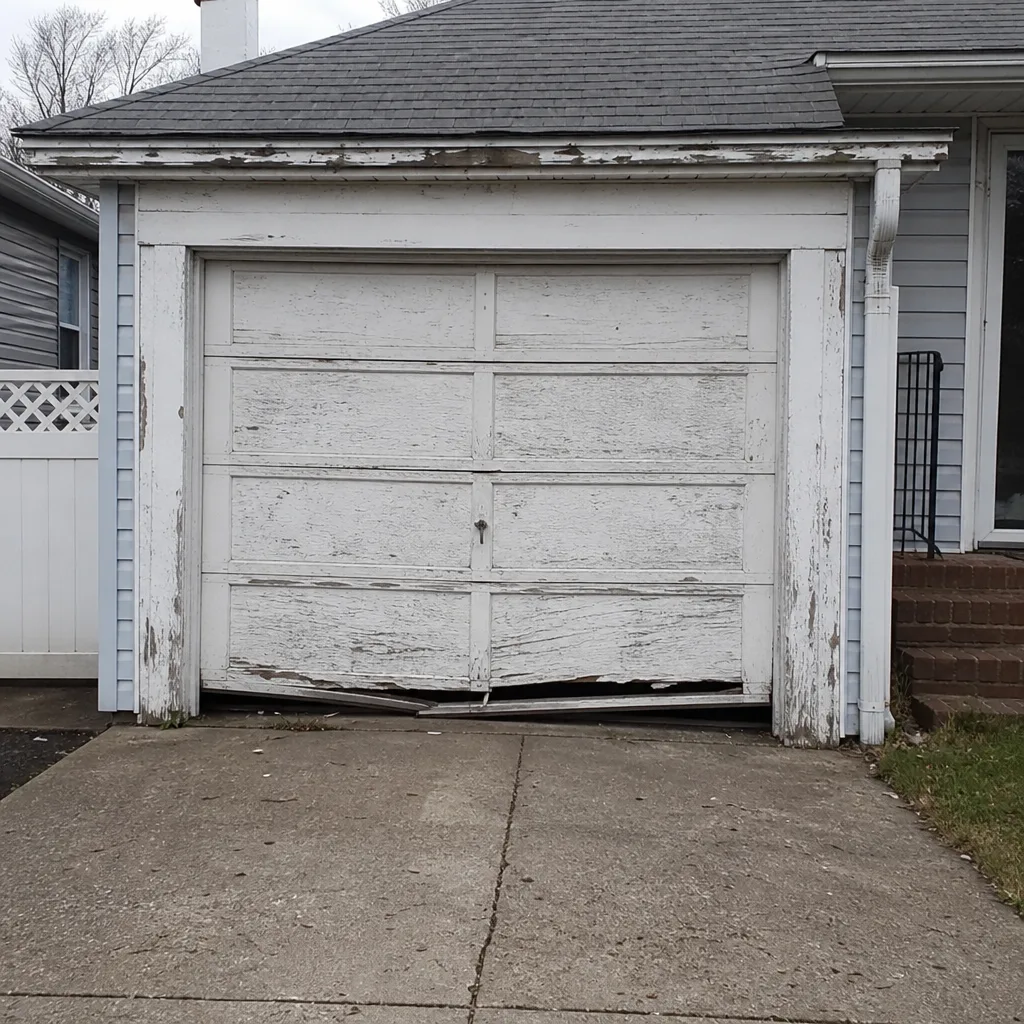 Before
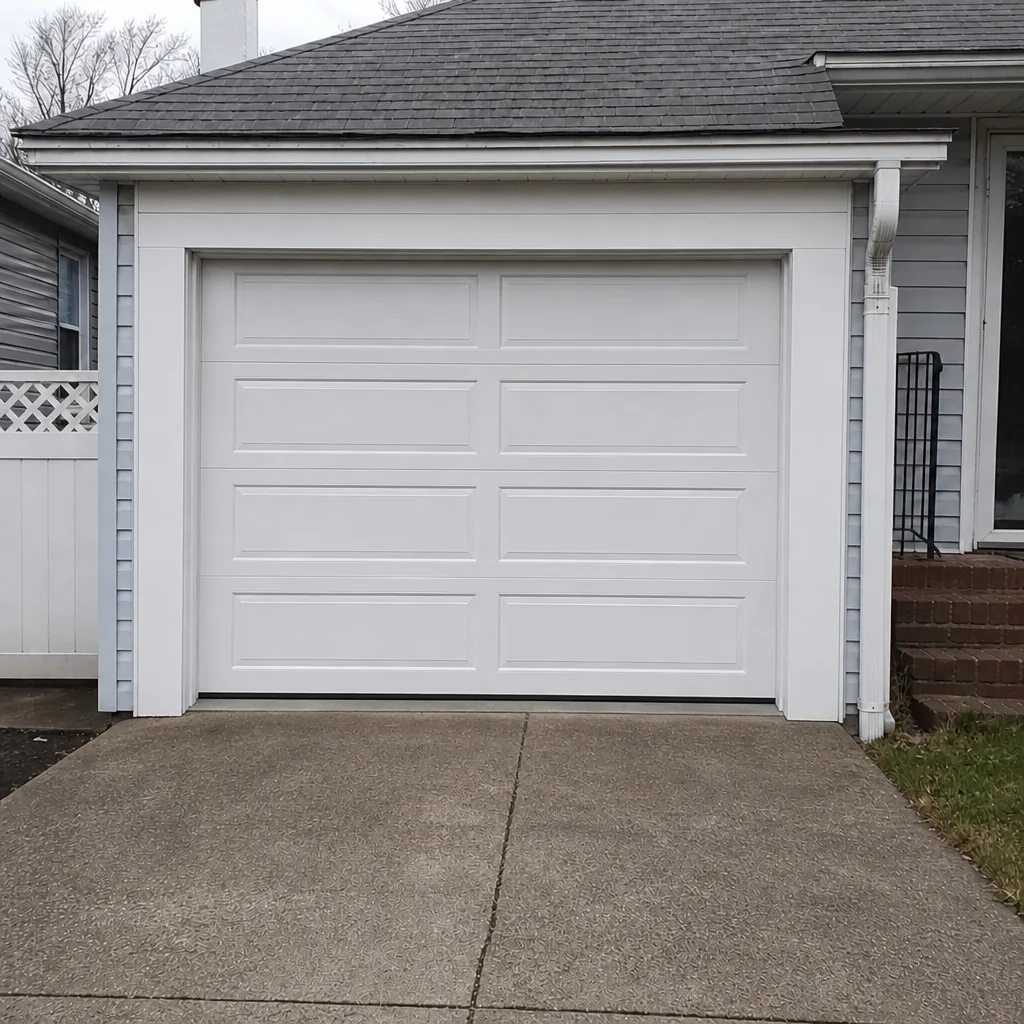 After
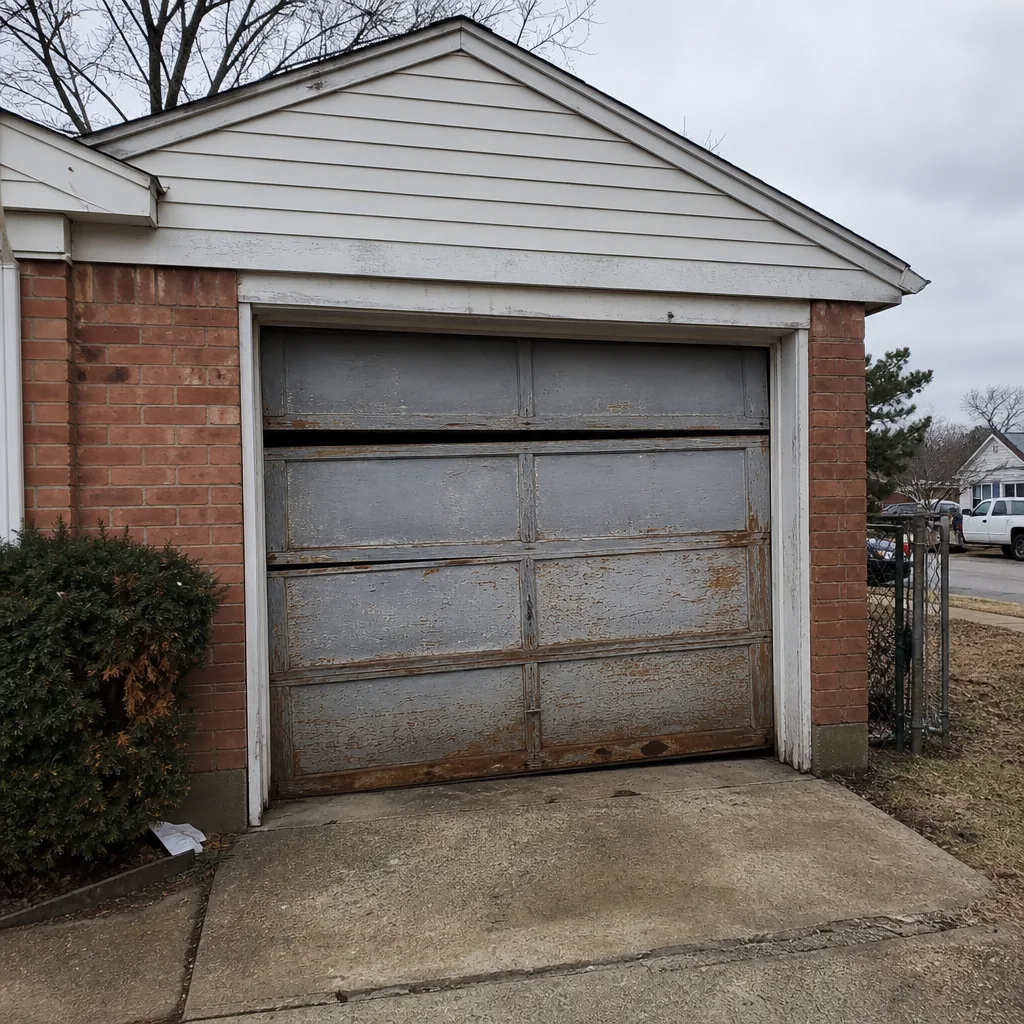 Before
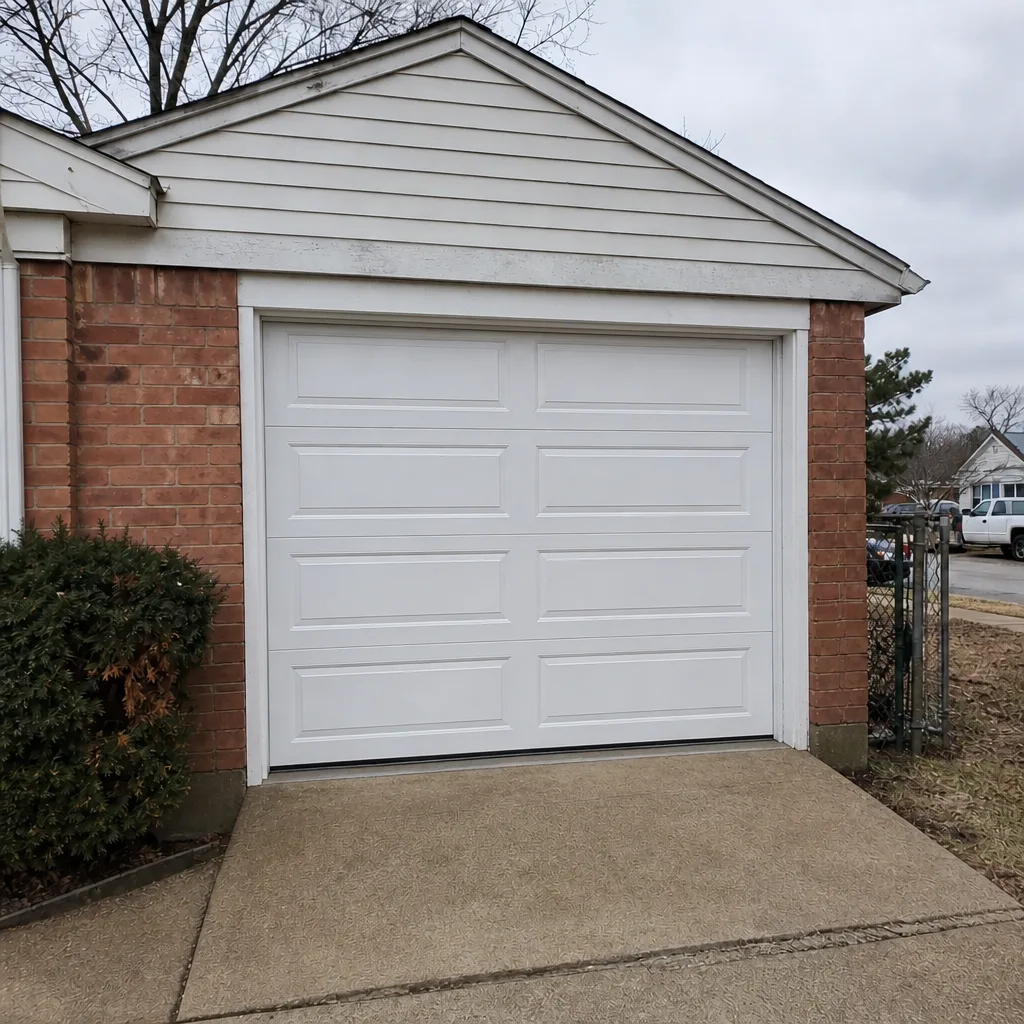 After
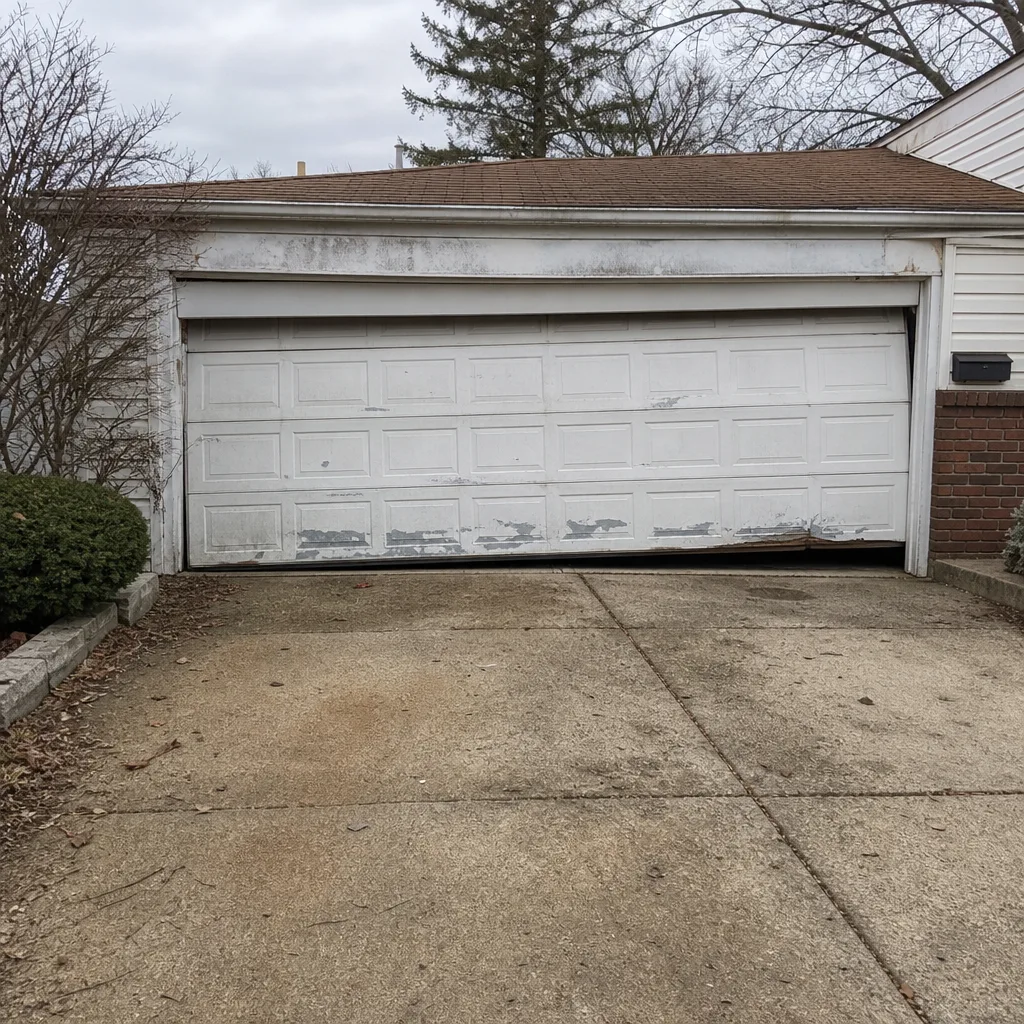 Before
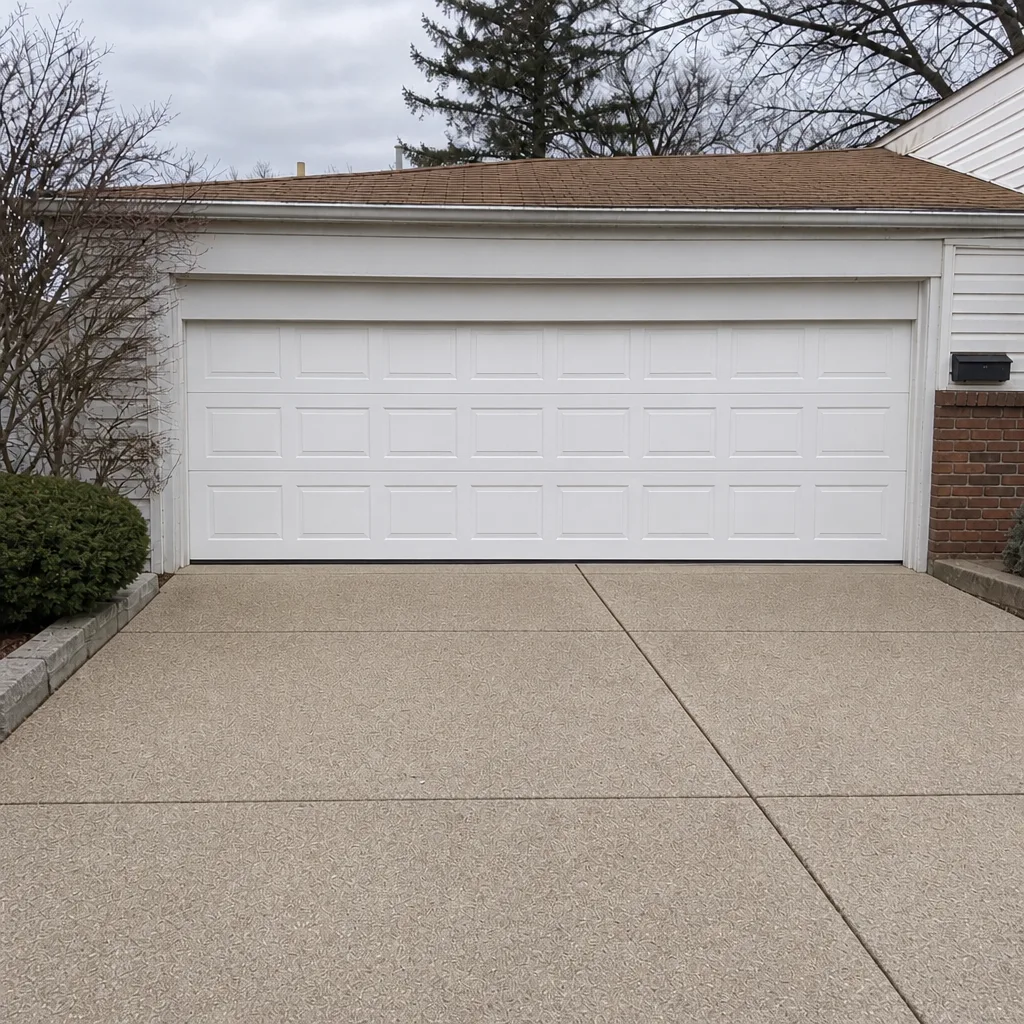 After
When to Call a Professional
Call a technician when you see a broken spring, a cable off its drum, a door hanging crooked, or anything involving the torsion shaft and its hardware. Call when the opener runs but the door stays put and the manual release is engaged. Call if a sensor won’t stay aligned after a clean and a bracket check, or if the door reverses no matter how clear the beam is. These are the situations where a trained hand saves you money and risk in equal measure. Hicksville Garage Door Repair Pros offers free estimates in Hicksville – call (888) 891-6453. We answer 24/7, with fast dispatch from 7am to 7pm, Sunday through Friday. The price is quoted and agreed before any work starts. Our technicians have up to 12 years of experience and work on whatever brand you have.
Frequently Asked Questions
It’s almost always the safety sensors near the floor. A dirty lens, a bumped bracket, or a misaligned beam makes the opener think there’s an obstruction, so it reverses by design. Clean both lenses, check that the LEDs are steady, and clear anything hanging in the beam path. If it still reverses with the beam clear, the opener’s limits or logic board need a technician. Call (888) 891-6453 for an exact quote – estimates are free.
A bang followed by a door that won’t lift usually means a torsion spring broke. The door becomes far too heavy for the opener, which is why it only moves a few inches. Stop running it and keep clear of the springs and cables, since they’re under high tension. This is a technician job. Call (888) 891-6453 for an exact quote – estimates are free.
Yes, we treat a door stuck open as urgent, because the house is left unsecured. We answer 24/7, with fast dispatch from 7am to 7pm, Sunday through Friday. We’re closed Saturday, so a call on Saturday gets booked into the next opening on Sunday. Call (888) 891-6453.
Spring pricing is per spring, and a matched pair is replaced together because both wear at the same rate – so a pair runs about twice the price of a single spring. Ask which the estimate covers so the number makes sense. The written estimate sets the final price. Call (888) 891-6453 for an exact quote – estimates are free.
No. The price is quoted and agreed before any work starts, based on a written estimate. If a technician finds something beyond what the quote covered, that gets discussed and agreed first. There’s no surprise invoice at the end. Call (888) 891-6453 for an exact quote – estimates are free.
The local pro we connect you with is licensed and insured as their state requires, and they specialize in garage doors rather than splitting attention across unrelated trades. Our technicians have up to 12 years of experience and are trained on the major door and opener brands. Call (888) 891-6453 for an exact quote – estimates are free.
Long Island’s humid air and the breezes off the Sound keep garage interiors damper than inland towns, which speeds up rust on steel rollers and hardening on the bottom seal. Swapping to nylon rollers and replacing a cracked seal slows that wear. Keep hinges and rollers lightly lubricated to help. For an inspection, call (888) 891-6453 – estimates are free.
The Bottom Line
Troubleshooting a garage door works best when you start with the system, not the symptom. A reversing door is a sensor question. A door that won’t lift is usually a spring or cable. A door that grinds is rollers and tracks, and an opener that runs with no movement is the opener itself. In Hicksville, the damp air near the Sound adds extra wear to rollers, seals, and springs, so keeping an eye on those pays off. Sensor, battery, and manual-release fixes are safe to do yourself. Springs, cables, and track work on a heavy door are not – that’s the line to call a specialist, and it’s the line we hold. From opener glitch to full replacement, we’ve seen this before and know the fix.
Call (888) 891-6453 for a free estimate. We answer 24/7, with fast dispatch from 7am to 7pm, Sunday through Friday.
Written by the team at Hicksville Garage Door Repair Pros.