
Last updated November 23, 2026
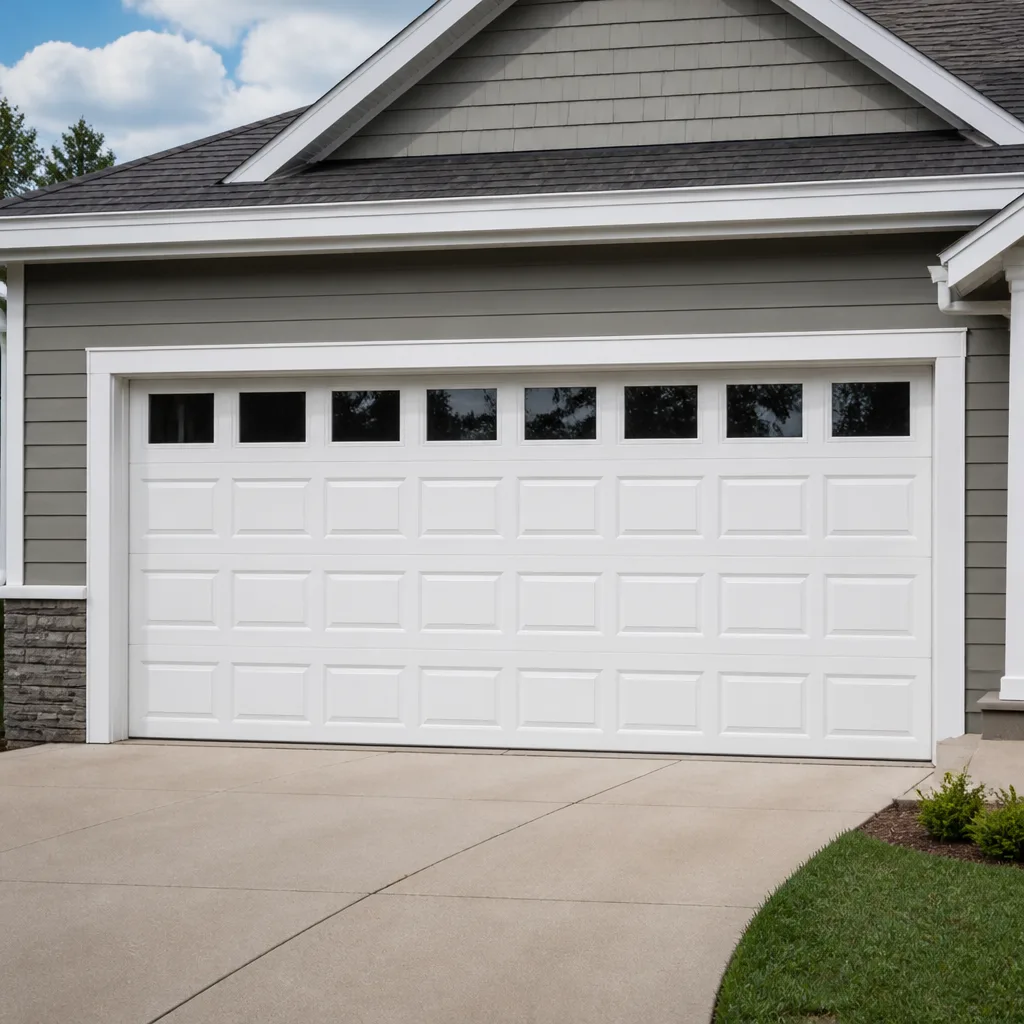 Raised-panel steel
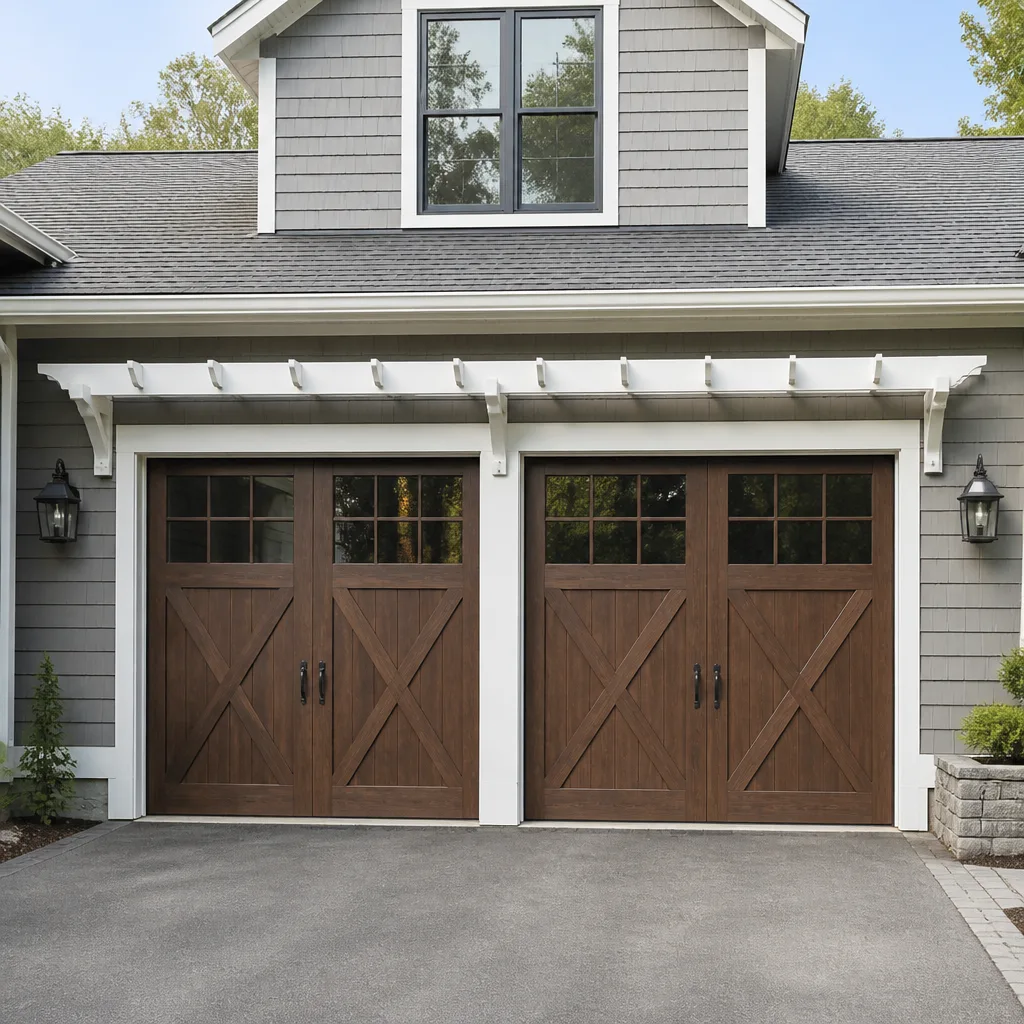 Carriage house
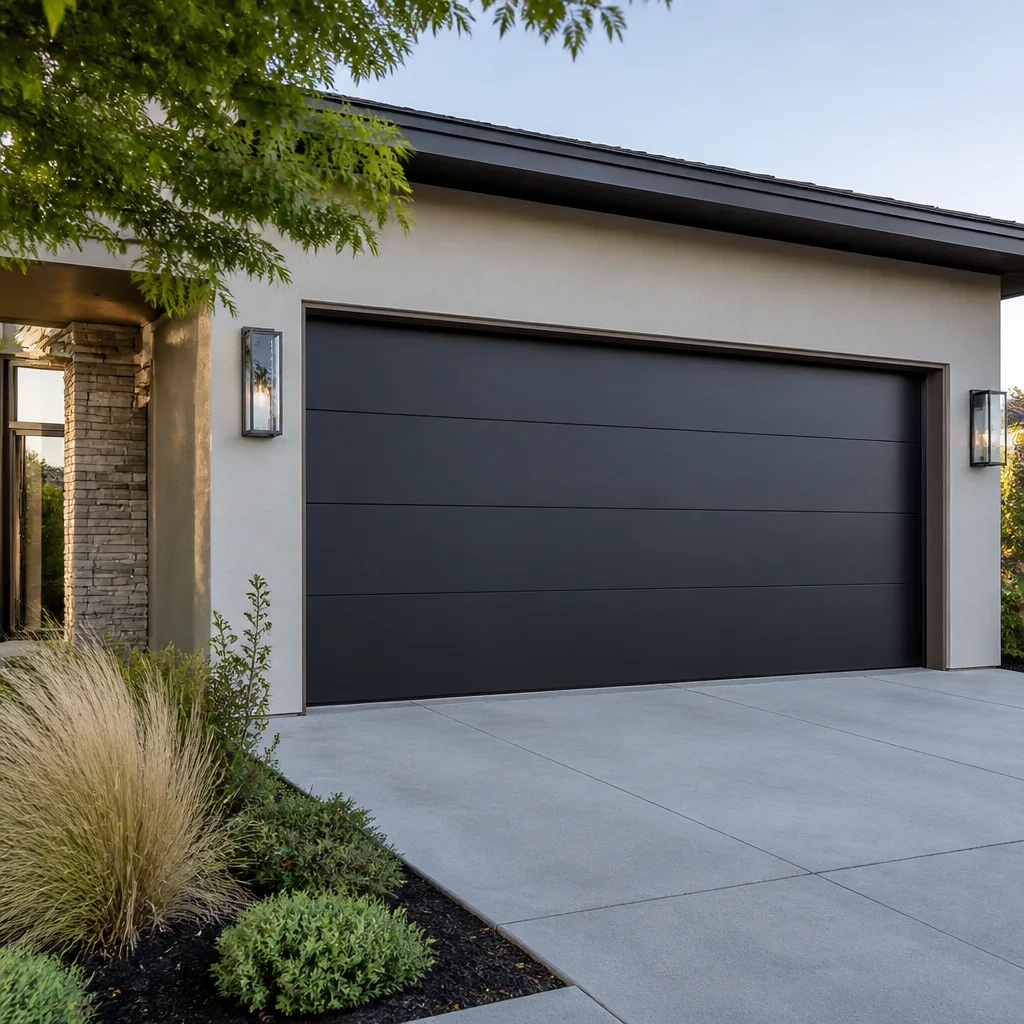 Modern flush
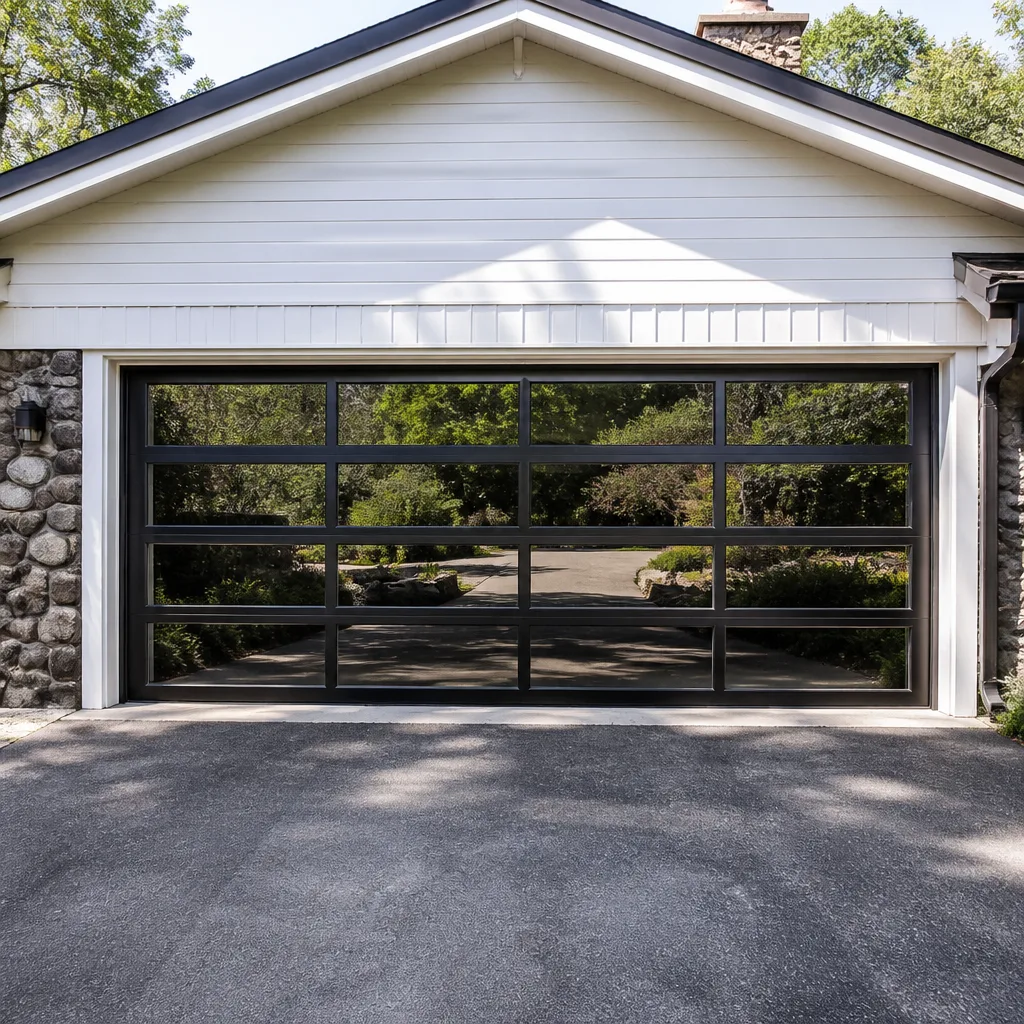 Full-view glass
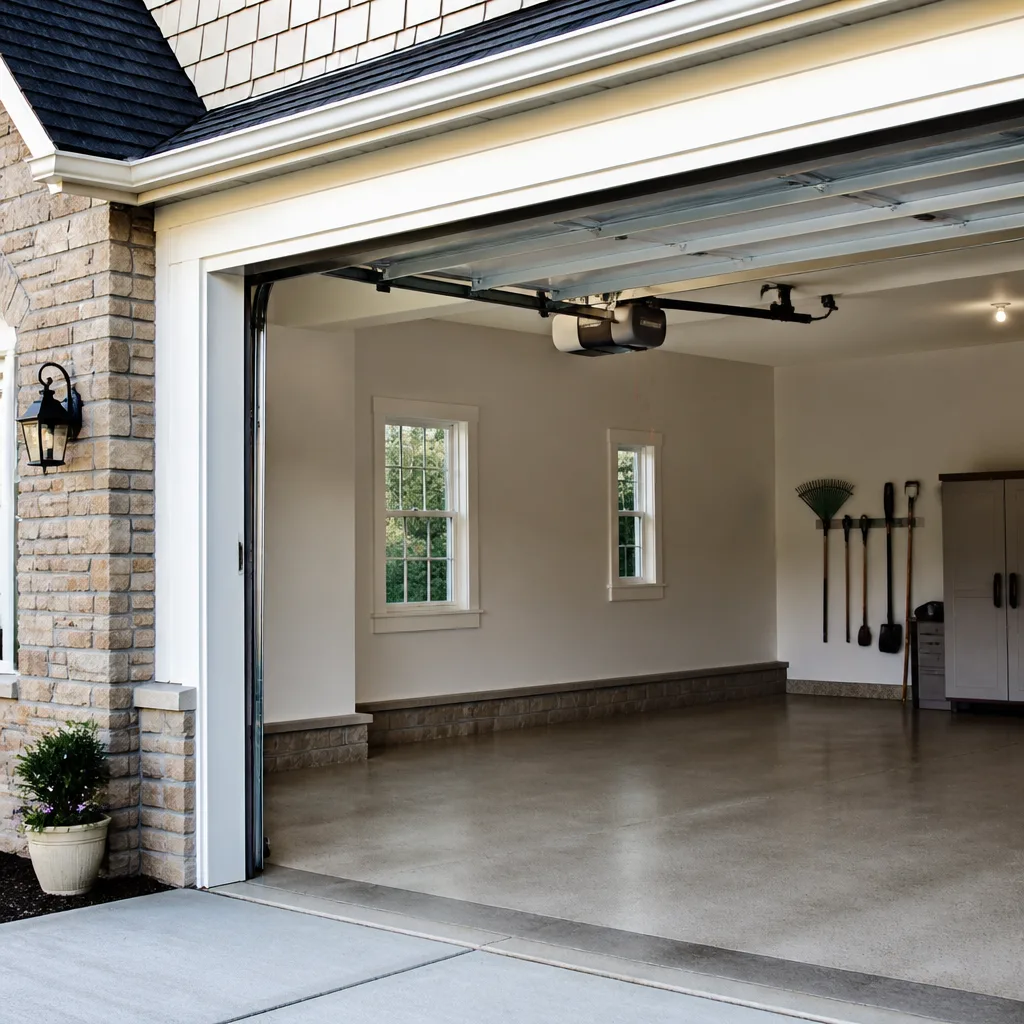 LiftMaster openers
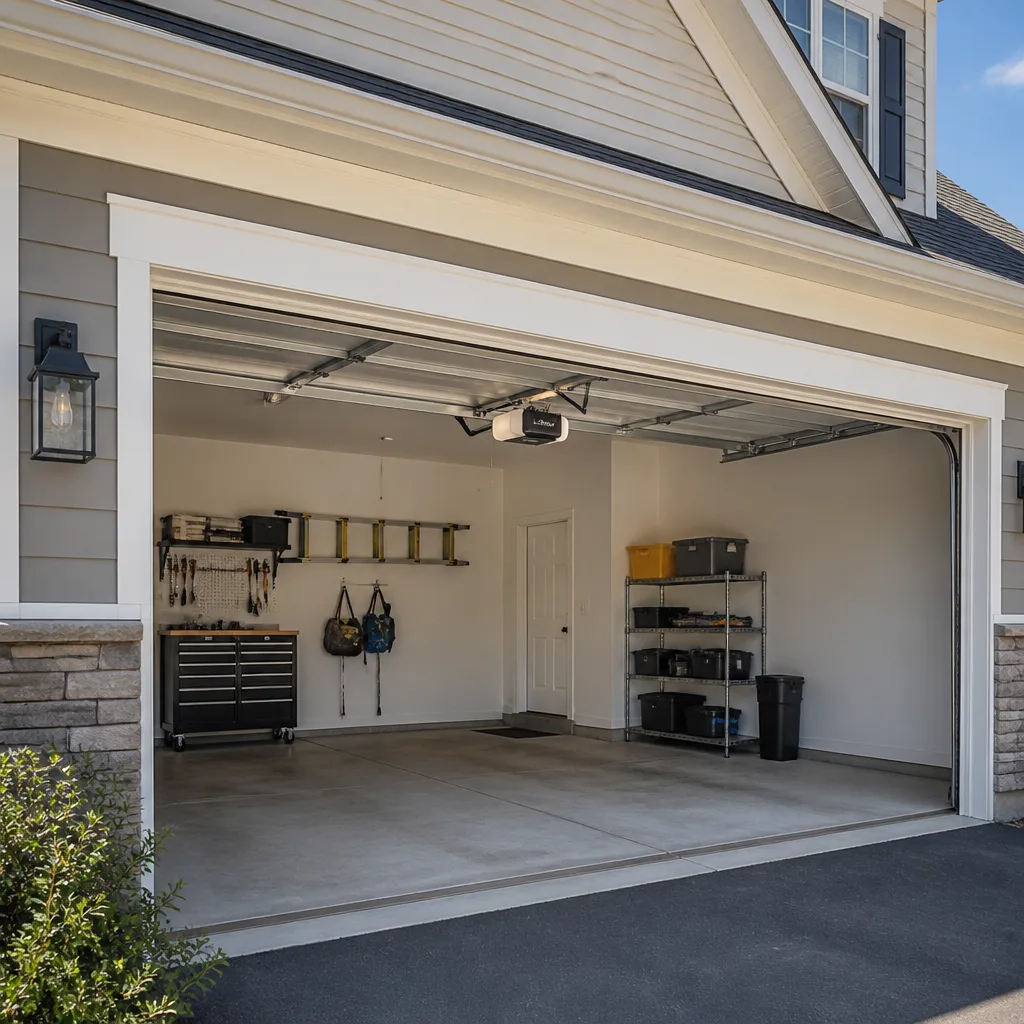 Chamberlain openers
Full 25-point door and opener safety check with every visit - springs, cables, rollers, tracks, and your LiftMaster or Chamberlain opener included
You get a price before we start. It does not change when the pro arrives.
Get your free estimateGarage Door Warning Signs: A Hicksville Homeowner’s Reference Guide
Most homeowners assume a garage door fails all at once. It rarely does. A door that suddenly won’t open has usually been telling you something for weeks, sometimes months. The bang that sounds like a gunshot is the loudest signal, but a squeak that’s getting sharper or a door that shudders on the way down says just as much if you know how to read it. This guide breaks down the noises, the visual clues, and the movement changes that point to a specific failing part. You’ll learn what to fix now, what to watch, and how to describe your problem clearly enough to get an accurate estimate before anyone arrives in Hicksville.
Quick Answer
A garage door gives warning before it fails through four channels: sound, movement, visible wear, and how it behaves on the opener versus manually. Two signals mean stop using the door immediately: a loud bang from the ceiling area (usually a broken torsion spring) and a grinding sound that worsens with each cycle. Everything else has a repair window, but only if you pay attention to it.
Styles & brands we work with
- Raised-panel steel
- Carriage house
- Modern flush
- Full-view glass
- LiftMaster openers
- Chamberlain openers
Table of Contents
- The Four Warning Channels Every Door Gives You
- Decoding Garage Door Sounds: What Each Noise Means
- What Visual Warning Signs Are You Missing?
- Which Problems Mean Stop Using the Door?
- Manual Works, Opener Struggles: A Separate Problem
- How Do You Document a Problem Before Calling?
- What Local Conditions Accelerate Wear in Hicksville?
- A Seasonal Garage Door Checklist for Hicksville Homes
The Four Warning Channels Every Door Gives You
A garage door is a balanced mechanical system: tensioned springs, cables, rollers, tracks, and an opener all depend on each other. When one part starts to go, it shows up through four channels. Learning to read all four separates a minor adjustment from a repaired door and a whole new track.
1. Sound. Every door has a normal operating sound: a low, even rumble on the way up and down. When the pitch, volume, or rhythm changes, that’s data. A squeak that wasn’t there last month, a scrape at one particular point in the travel, or a grind that’s louder each time tells you the problem is spreading.
2. Movement. A healthy door glides evenly. A door that jerks, hesitates, bounces at the bottom, or drifts back down after opening is out of balance or the springs have lost tension. Watch the door travel the full distance once a month with nothing in the way.
3. Visible wear. Frayed cables, rust on springs, cracked hinges, weatherstripping that’s pulled loose from its channel: small clues that point to specific parts. Many of these are visible from the driveway without a ladder.
4. Manual versus powered. If your door moves fine by hand but struggles when the opener does the work, the answer is usually in the opener or its settings, not the door. Flip the release lever and test by hand when you suspect a problem.
Hicksville homes see this on doors of every vintage. Whether your door is a Wayne Dalton steel panel or an older wood frame, the four channels work the same way. Once you know where to look, you can chart a wear pattern long before a door refuses to close.
Decoding Garage Door Sounds: What Each Noise Means
Different noises come from different places in the door. This table is the heart of reading your door: each sound has a likely cause and a rough urgency level. Use it as a reference, not a diagnosis.
- Squeak or squeal (rising pitch): Dry rollers, hinges, or the torsion tube. Usually a lube-and-adjust fix. Low urgency, but it gets worse.
- Grinding that gets worse each cycle: Failing bearing plate, worn rollers, or a torsion tube running dry. Medium to high urgency: stop cycling and get it looked at.
- Loud bang from the ceiling area: A torsion or extension spring has snapped. Stop using the door. This is the classic “call today” sound.
- Pop or crack when the door starts to move: A hinge or cable fitting letting go under load, or a spring winding down. Stop and get a technician out.
- Scrape against the floor or frame: Door out of adjustment or a bent track pushing the panel into the floor. Medium urgency: a door dragging on the floor will chew its own bottom seal.
- Rattling or banging in the walls: Loose track mounting or a loosening opener rail. Low to medium urgency, but it worsens with every cycle.
A bang from the ceiling is not a nuisance noise. A torsion spring under load can hurt someone, and a door held by a snapped spring may drop without warning. Never try to lift or cycle a door with a snapped spring. Our garage door spring repair service exists for that exact job because springs require winding bars and a trained hand, not a hardware-store workaround.
Quick answer if you want the short version: a bang means call now, a grind means stop cycling and call soon, a squeak means schedule for next week. Note any sound in the moment; the pattern is often what tells a technician which part is failing before the door comes off the track.
What Visual Warning Signs Are You Missing?
Most failing doors show visible clues weeks before they stop working. The trick is knowing what a healthy part should look like so you notice when it doesn’t. Walk around the door once a month and check these four things.
- Cables. Look at both cables running along the side of the door. A healthy cable is smooth and tight. Fraying, kinks, or a bird’s-nest look at the drum means the cable is near the end of its life. Do not touch a frayed cable.
- Springs. Look at the torsion spring above the door or the extension springs along the tracks. Rust patterns, a visibly stretched spring, or a gap in the coil means wear. Rust is normal over time in a humid garage, but rust plus a stretched coil is a warning sign.
- Weatherstripping. A daylight gap at the bottom or sides of the door means the seal has pulled loose or compressed. In Hicksville, a small gap lets in water, insects, and cold air throughout every winter.
- Panels and hinges. Look for dents, cracks at the hinge points, or hinges that have bent. A cracked hinge will eventually let go under load. A bent panel often means the track needs attention too.
Also look at the track. It should be plumb and straight with no kinks. A track that’s been bumped, or a bracket that’s come loose from the frame, will cause the door to bind and the opener to strain. If you see any of these, note it, take a photo, and don’t force the door.
Which Problems Mean Stop Using the Door?
Not every warning sign means the garage is closed for business. Some do. The difference is whether the failure puts a person or a car at risk if the door cycles once more. Use this list.
Stop using the door today if you see:
- A snapped torsion or extension spring.
- A cable that is frayed, kinked, or hanging off its drum.
- The door hanging at one corner or visibly off the track.
- A loud bang followed by the door becoming hard to lift by hand.
- Grinding that gets louder every time the opener runs.
- The opener pulling but the door not moving.
Schedule soon, but you can keep cycling if the door moves smoothly:
- A squeak or squeal from the hinges or rollers.
- A minor rust pattern with no visible stretch.
- Weatherstripping that’s pulled loose in one spot.
- Rattling in the walls from loosened track brackets.
- An opener that works but seems to be working harder than it used to.
The general contractor’s rule “if it’s not broken, keep using it” doesn’t apply to a door hanging from a spring under tension. If you’re between the two lists, err on the side of stopping. When in doubt, get on the schedule now: call (888) 891-6453. We answer 24/7. Fast dispatch from 7am to 7pm, Sunday through Friday. If a door fails on a Saturday, call and we’ll book you for Sunday.
Manual Works, Opener Struggles: A Separate Problem
One of the most common misunderstood problems in a garage is a door that lifts easily by hand but fights the opener. This isn’t usually a door problem; it’s an opener problem. When you pull the release lever and the door moves smoothly by hand but the opener spins and strains, the issue is in the operator, its sensors, or its settings.
Common causes of opener-versus-door mismatch:
- Travel limits off. The opener’s open and close limits have drifted. The door stops short, bangs the floor, or reverses early.
- Safety sensor failure. Dirt, misalignment, or sunlight hitting the sensor. The door reverses before it reaches the floor.
- Force settings too low. The opener thinks there’s an obstruction and backs off mid-travel.
- Gear or drive wear. A worn gear in a belt or chain drive, or a stripped sprocket, makes the opener strain without lifting smoothly.
- Failing logic board. Buttons work, lights work, but the motor hesitates or stops halfway.
That’s why we treat opener diagnostics as separate from door repairs. Chamberlain, LiftMaster, and Genie units each have their own diagnostic behavior, and the answer rarely comes from adjusting the door. In Hicksville, we see openers of every age, including Craftsman units from the 1990s still running their original boards. If your opener is the problem, our garage door opener repair team has the right parts and knows the brand quirks. If your door is also out of balance, the right sequence is to fix the door first, then set the opener to it.
How Do You Document a Problem Before Calling?
The quality of the phone conversation determines how accurate an estimate you’ll get. A vague “my garage door is broken” usually leads to a visit-and-diagnose appointment. A clear description with three or four details often leads to a real estimate before anyone arrives. Here’s what to note before you call.
- What the door does and doesn’t do. “Door opens halfway then stops” is more useful than “the door is broken.” Same for “opener runs but door doesn’t move” versus “door moves by hand but opener strains.”
- The exact sound. Bang, grind, squeak, pop, scrape. Say when you hear it: on start, mid-travel, at the bottom, only on the way up.
- The door’s brand and opener’s brand. Check the panel or the opener housing. Knowing you have a Wayne Dalton door with a LiftMaster opener tells us where to start.
- Age of the door and opener. If you don’t know, say so. A Craftsman opener from the 1990s and a modern Chamberlain behave differently, and age narrows the likely cause.
- Photos. A shot of the spring, the cables, the track, and the opener label helps more than a long description.
We’ve seen this pattern thousands of times over the years. Our technicians have up to 12 years of experience, and they can usually tell from four facts whether a call is a same-day repair or a scheduled install. We work on whatever brand you have: the eight major makes, from Clopay and Amarr doors to Raynor and Genie openers. That’s one reason a garage door repair conversation with us tends to stay on the phone and off your driveway.
What Local Conditions Accelerate Wear in Hicksville?
A door on Long Island doesn’t wear the same way a door in Arizona does. The mix of humid summers, freezing winters, and trees overhanging garages in neighborhoods like Levittown-adjacent blocks and the older sections of Hicksville creates a wear profile that’s worth knowing.
Winter freeze-thaw. Water gets into the bottom seal and freezes. That cycle loosens weatherstripping from its channel and can crack the aluminum retainer. Check the bottom seal every fall before Thanksgiving.
Summer humidity. A closed garage traps warm, humid air. Hinges and rollers need lube more often here than the packaging says. Torsion springs that were painted at the factory begin to show surface rust in July and August.
Tree canopy and pollen. Door tracks collect debris from oak, maple, and pine. A single pinecone wedged in the track will bind a door and get blamed on the opener.
Ice at the threshold. Ice that forms at the bottom stop can pull the seal loose and, in some cases, force the door out of alignment as the panels lift unevenly.
None of this means every door in Hicksville has a problem. It means a monthly two-minute walk around the door pays off more here than in most of the country. The older housing stock in parts of Hicksville also means many doors are on their second or third opener, and the mechanical setup can be a mix of eras.
A Seasonal Garage Door Checklist for Hicksville Homes
Once a month is enough for a full check. Two minutes, done the same way every time, gets you a running record of what your door is doing.
- Watch the door travel the full distance with nothing parked in the path. Look for any hesitation, wobble, or bounce.
- Listen. Squeak, grind, bang, pop, scrape. If any sound is new, note it in your phone.
- Look at the cables and springs. Fraying, rust, and stretch. No touching, just looking.
- Look at the bottom seal. Daylight means a gap.
- Test the safety reverse. Put a piece of wood on the floor in the door’s path. The door should reverse when it hits it. If it doesn’t, that’s a same-day fix.
- Pull the release and move the door by hand. If it’s heavy or fights you, the springs are tired.
Do it in fall before the first freeze and in spring after the last one. Both are when most new problems show up. If any check fails, note it and call. A door with two failing checks is usually cheaper to fix than a door with one failing check you ignored for a season.
Common Mistakes to Avoid
- Ignoring a squeak because the door still opens. A squeak is the cheapest warning you’ll ever get. Let it ride and the same dry bearing takes out the torsion tube.
- Spraying silicone or WD-40 on the torsion spring. That doesn’t fix spring tension, and it hides the rust you need to see. Springs need evaluating, not lubricating.
- Adjusting the opener force to push a stiff door. Turning up force settings to compensate for a binding door masks the real problem and can crack a panel.
- Thinking a door “just needs the track pushed back.” A bent track is usually a symptom of a bigger alignment issue. Pushing it back with a mallet often makes it worse.
- Waiting for the door to fail completely before calling. A failed door on a Sunday costs you more in lost time than the same repair would midweek. We’re closed Saturday. Sunday through Friday, call and get on the schedule.
- Booking a generalist handyman for spring or cable issues. A Hicksville Garage Door Repair Pros specialist works on tensioned springs and cables daily. A generalist does not, and the parts are specialty items.
- Assuming a “cheap” fix from a neighbor’s handyman is the same job. Springs are matched to door weight and height. A mismatched spring is a failure waiting to happen.
See the difference
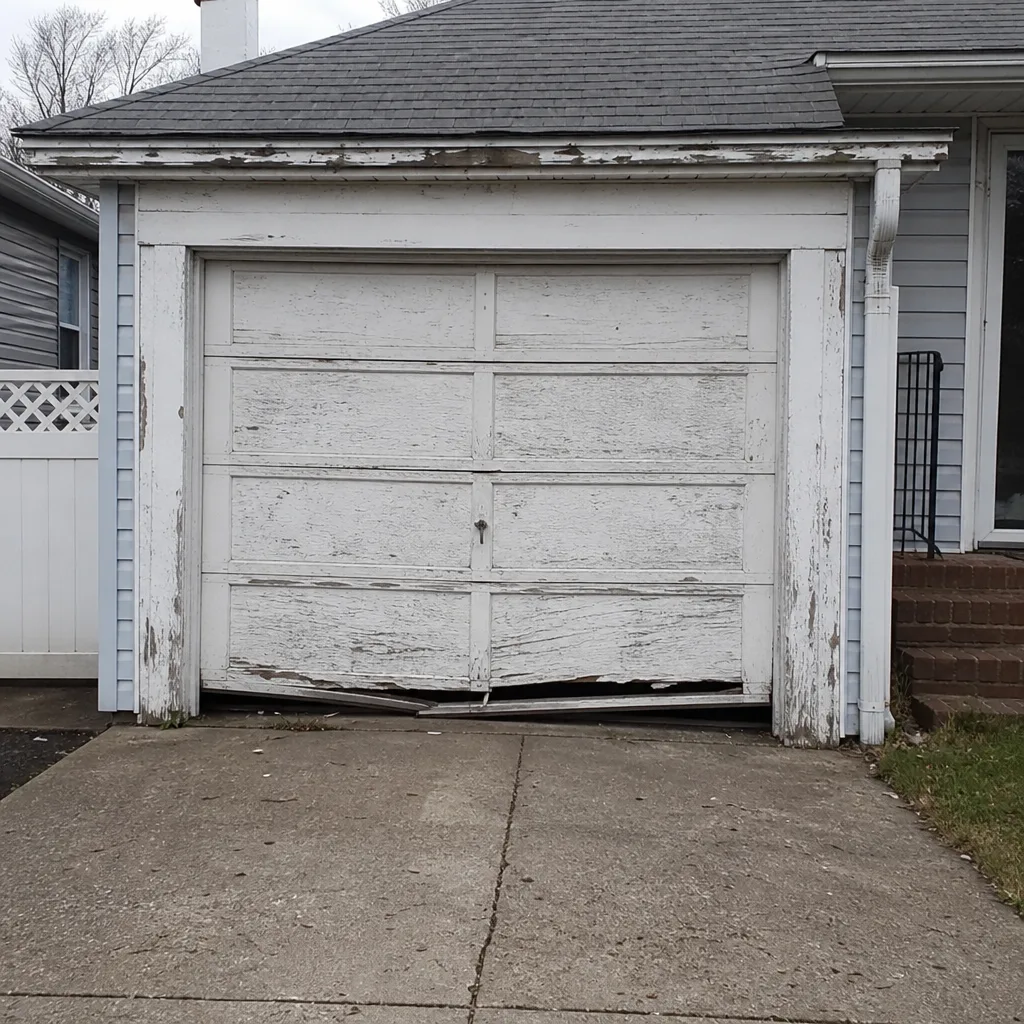 Before
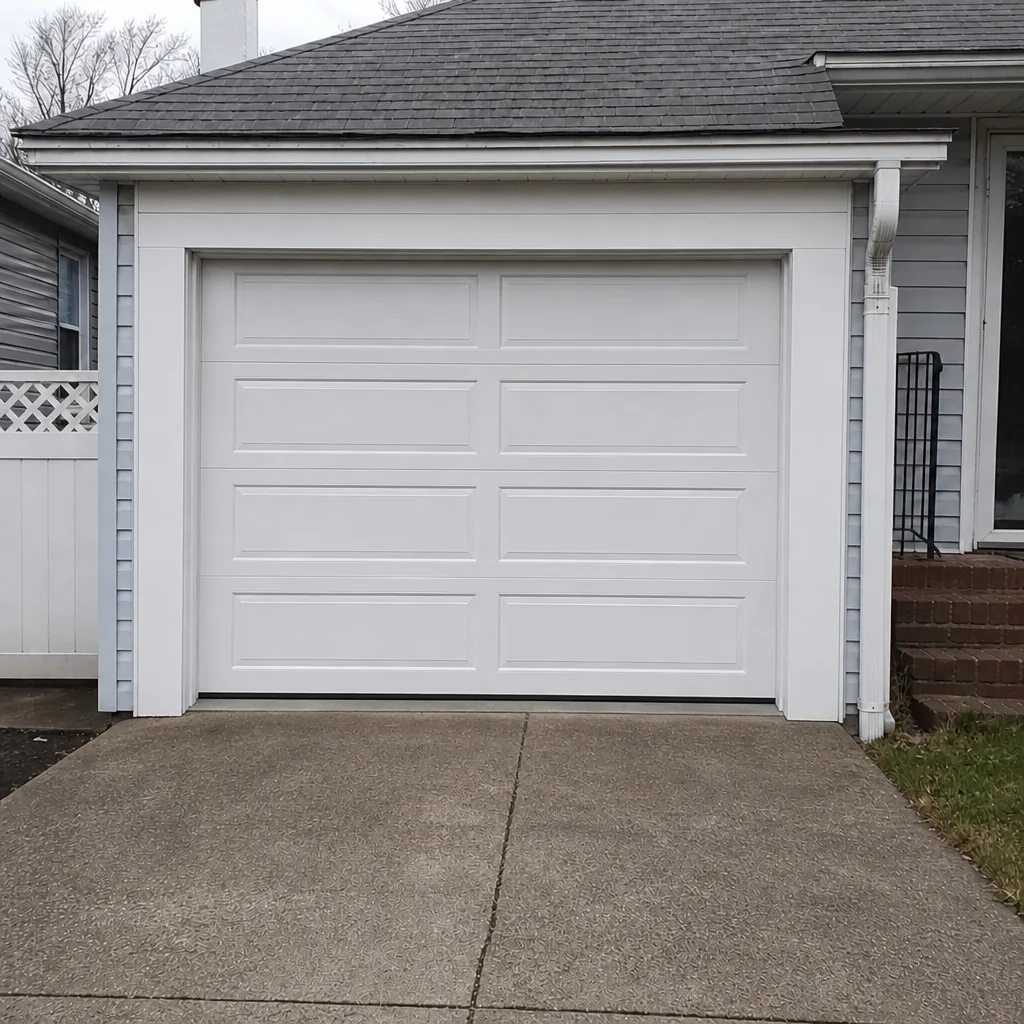 After
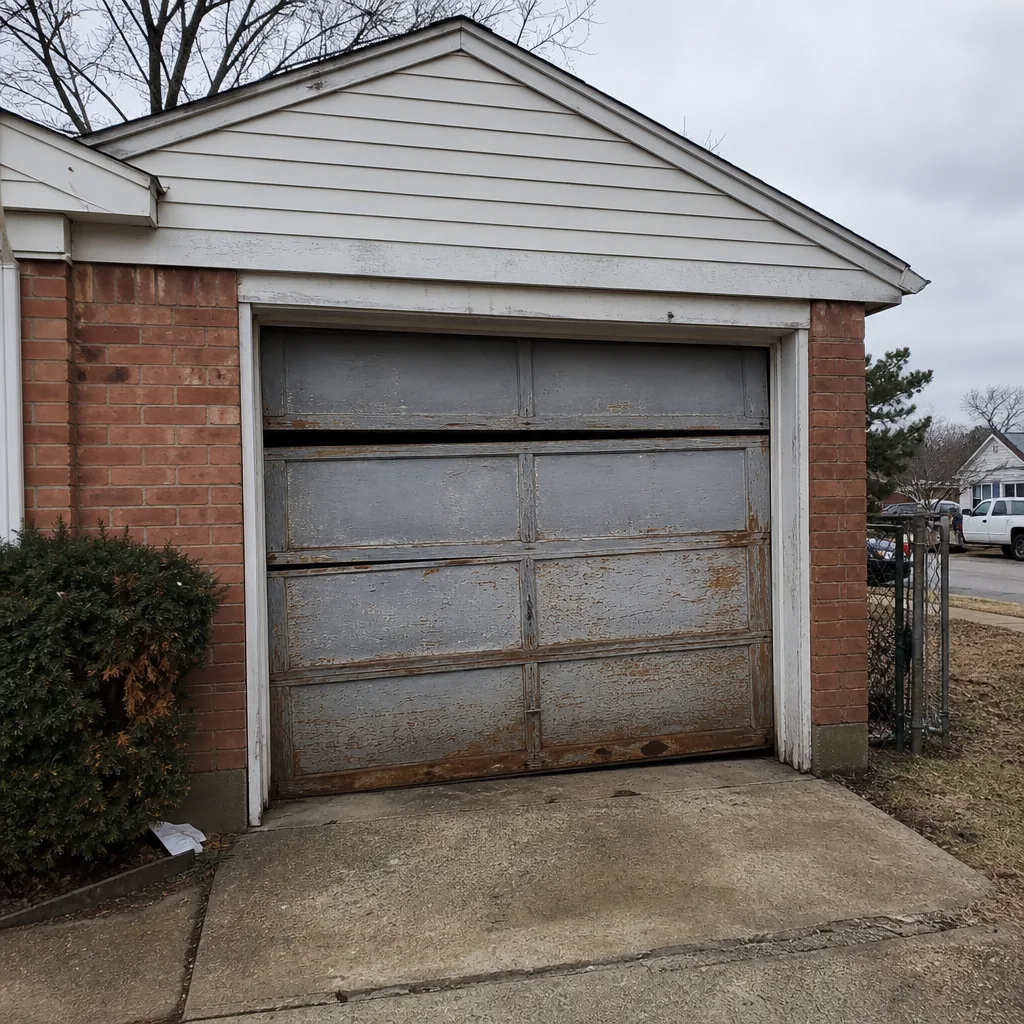 Before
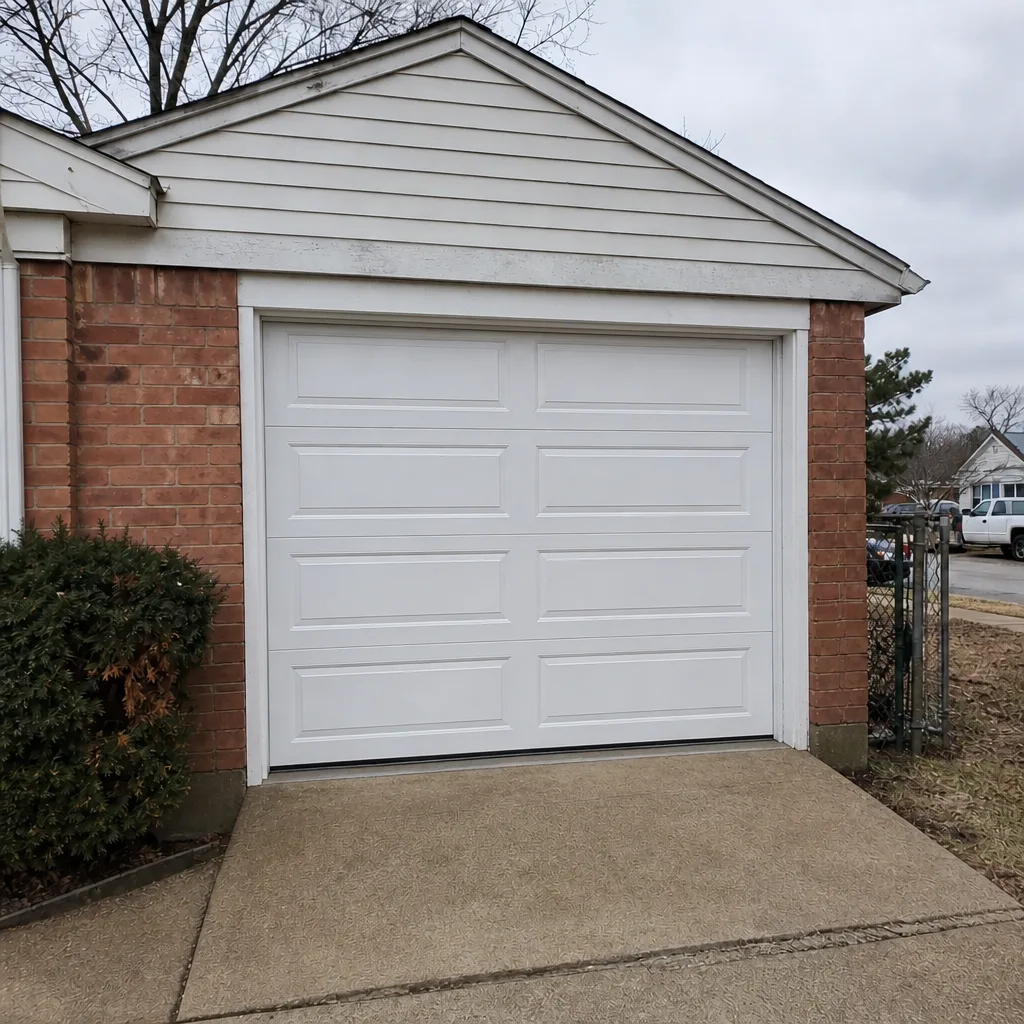 After
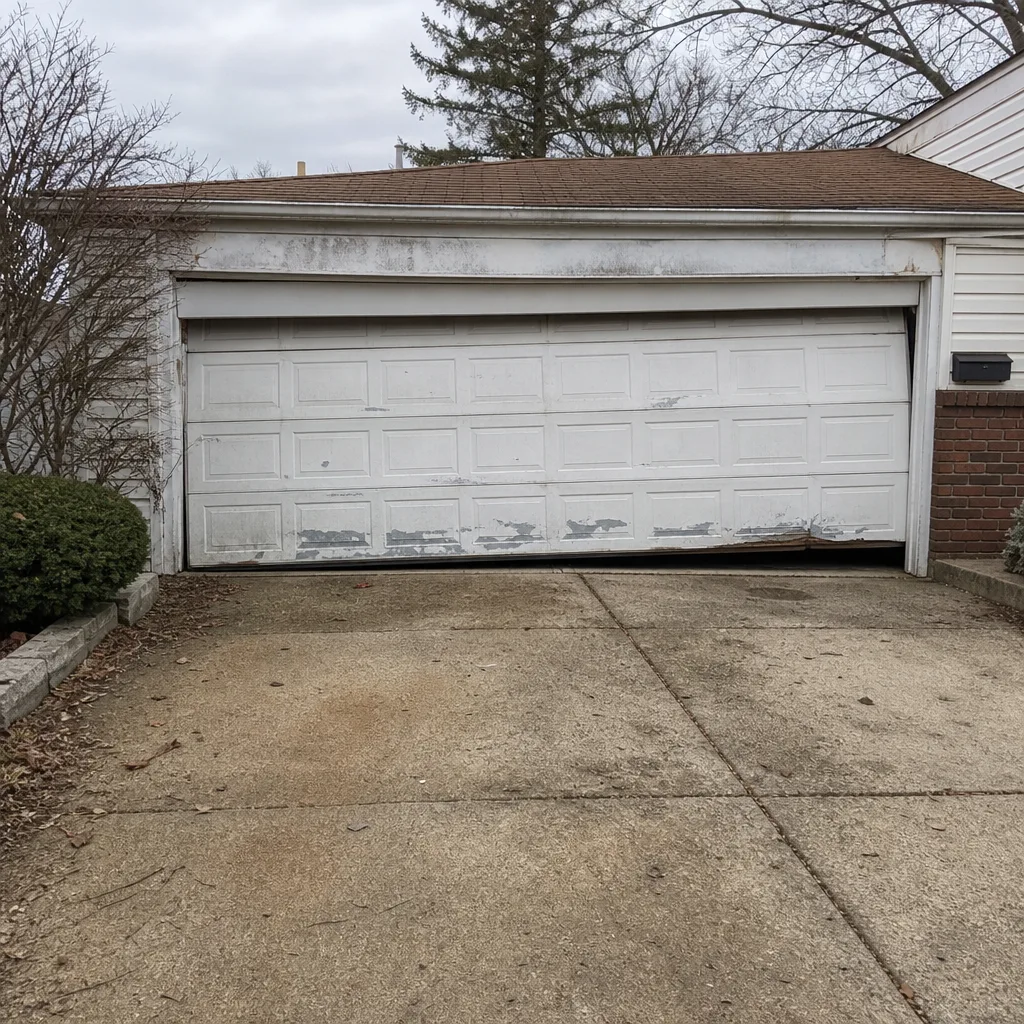 Before
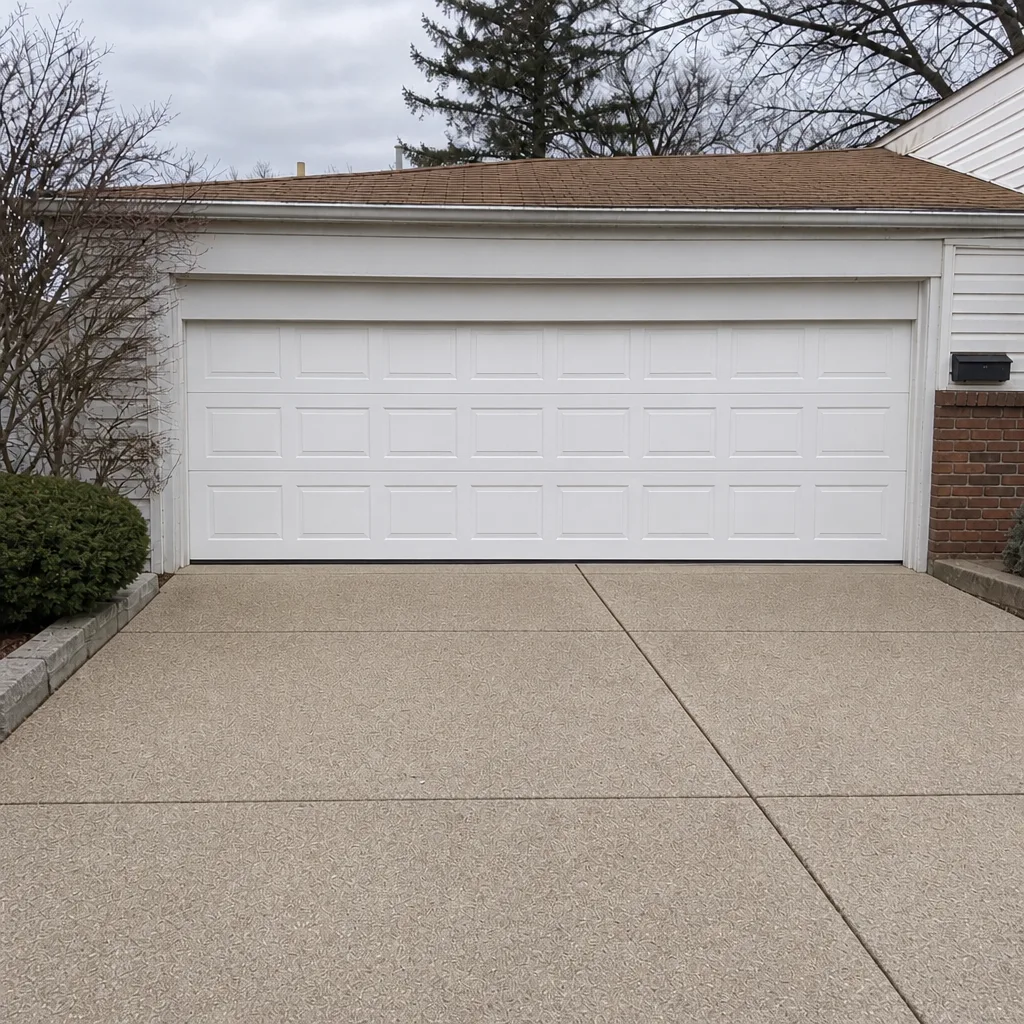 After
When to Call a Professional
Call today if a spring has snapped, a cable is frayed or off its drum, the door is hanging at one corner, or the opener runs without lifting the door. Those are the four categories where a trained hand matters most. Call to schedule if you hear a new squeak, see a rust pattern, or find weatherstripping pulling loose. A Hicksville door is under tension from the moment it’s installed, and every part of that system is doing its job under load. We’ve seen this before and we know the fix. Hicksville Garage Door Repair Pros offers free estimates in Hicksville. Call (888) 891-6453. We answer 24/7. Fast dispatch from 7am to 7pm, Sunday through Friday.
Frequently Asked Questions
The first sign is usually a change in sound, not a visible failure: a new squeak, a grind that wasn’t there before, or a low thump at the start of travel. Any change in a door’s normal operating noise is worth noting and checking against the sound table above.
A broken torsion spring shows a visible gap in the coil above the door, and the door becomes very hard to lift by hand. A stretched spring still holds the door but will make it jerky or let it drift back down. Either way, do not lift or cycle the door until it’s evaluated.
No. A door with one broken torsion spring is being lifted by a single spring on one side, which puts the door and the opener under extra strain. Stop using the door and call for a repair. We’re available for same-day spring work when dispatch allows.
That mismatch usually means the door and its springs are healthy and the opener is not: travel limits, safety sensors, force settings, or a worn drive. It’s a separate diagnostic from a door that’s hard both ways. In Hicksville, we handle both categories and won’t try to sell a new opener when a limit adjustment is the answer.
The local pro we connect you with is licensed and insured as their state requires, and we work only with specialists who handle the brands and systems in your garage. Call (888) 891-6453 for an exact quote; estimates are free.
Same-day repair is available for most urgent issues, depending on the schedule and the parts needed. Call (888) 891-6453. We answer 24/7. Fast dispatch from 7am to 7pm, Sunday through Friday. If a door fails on a Saturday, we’re closed that day; call and we’ll book you for Sunday.
The Bottom Line
A garage door rarely fails without warning. It gives you the news in four ways: sound, movement, visible wear, and the manual-versus-opener test. A bang from the ceiling or a grind that gets worse means stop now. A new squeak, a rust pattern, or loose weatherstripping means schedule the repair before it becomes the emergency. The monthly check takes two minutes, and the notes from your check give a technician enough to quote accurately before anyone arrives. In Hicksville, where humidity and freeze-thaw work on every hinge and seal, that habit pays off. If anything on your door has changed, call (888) 891-6453 for a free estimate.
Written by the team at Hicksville Garage Door Repair Pros.