
Last updated November 23, 2026
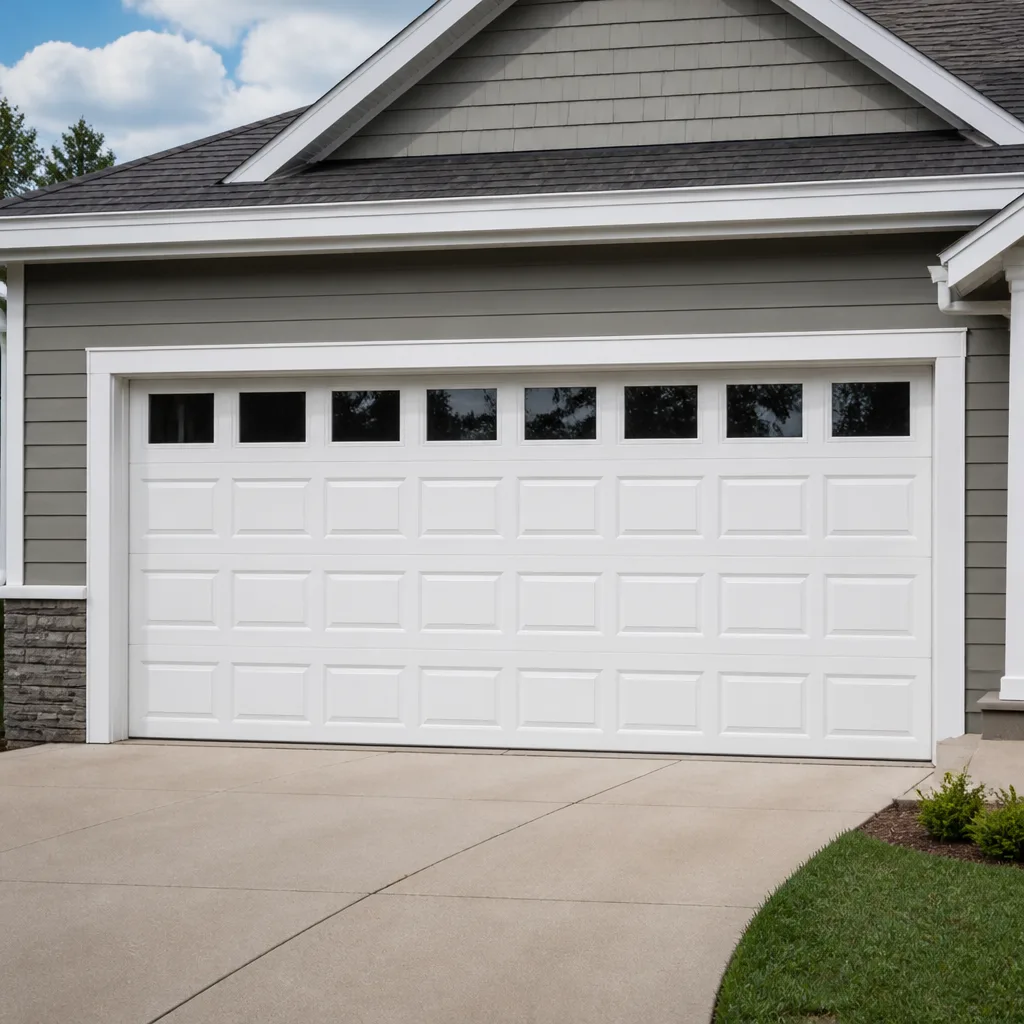 Raised-panel steel
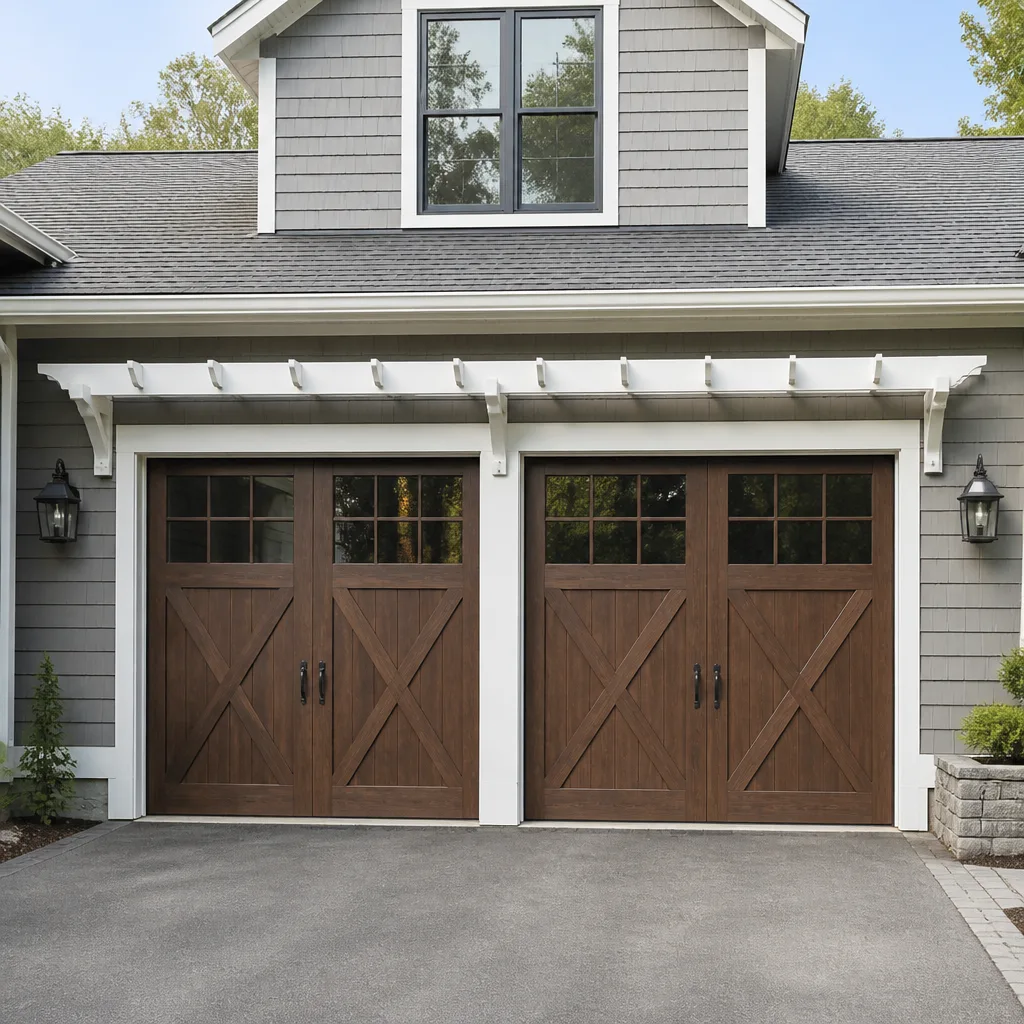 Carriage house
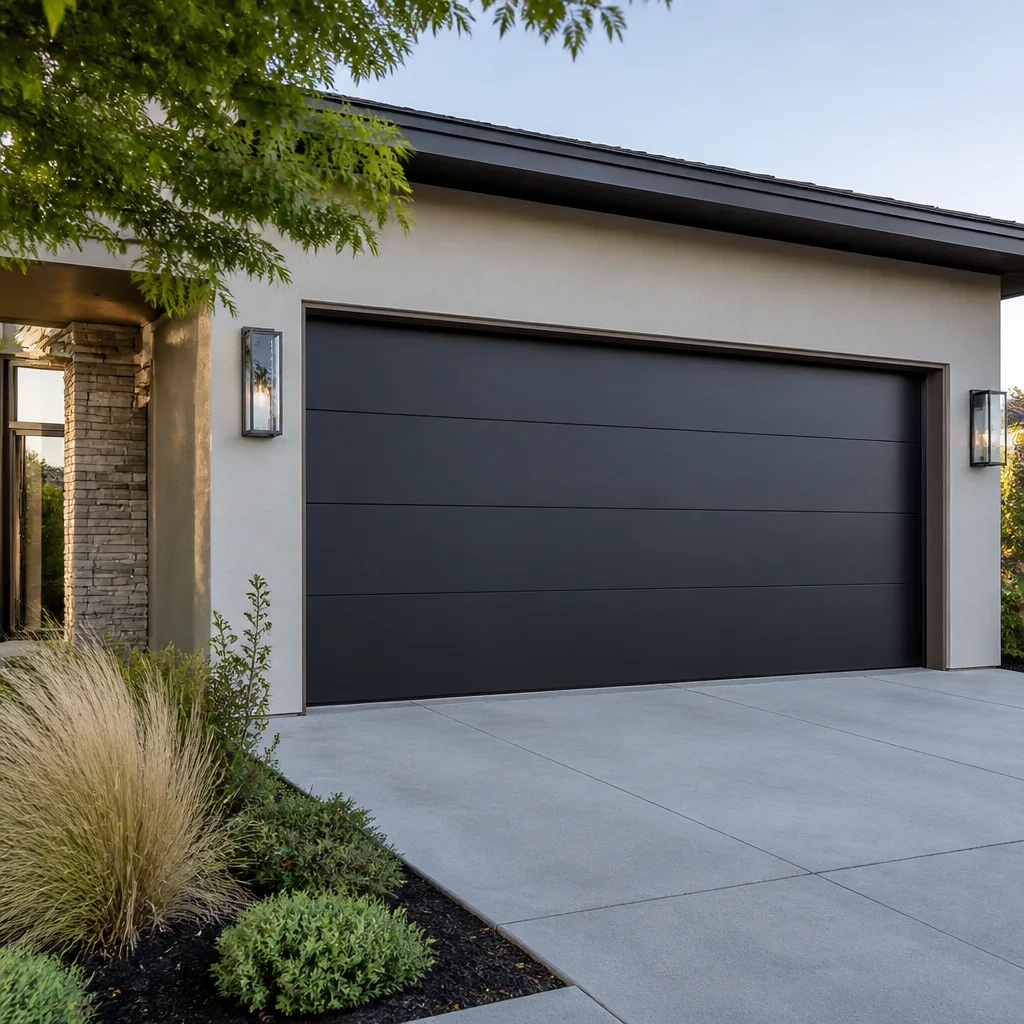 Modern flush
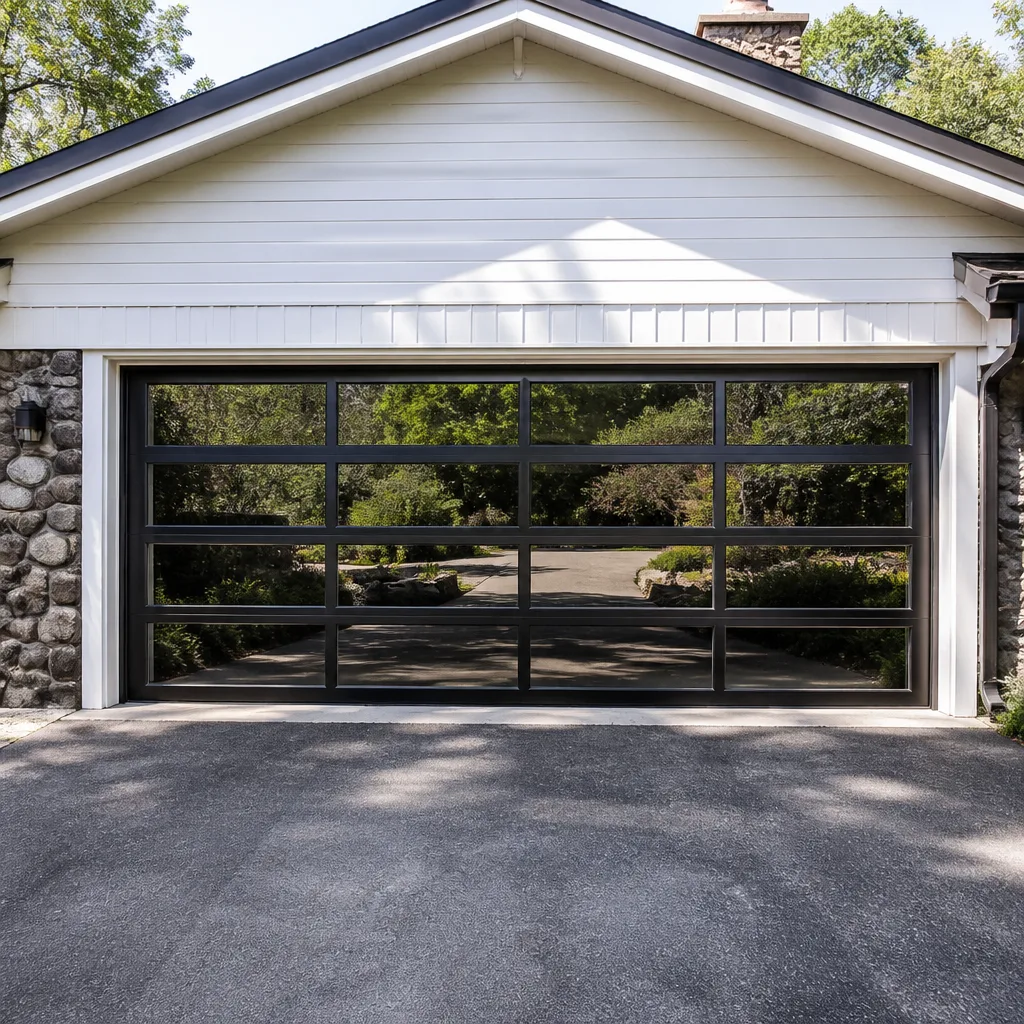 Full-view glass
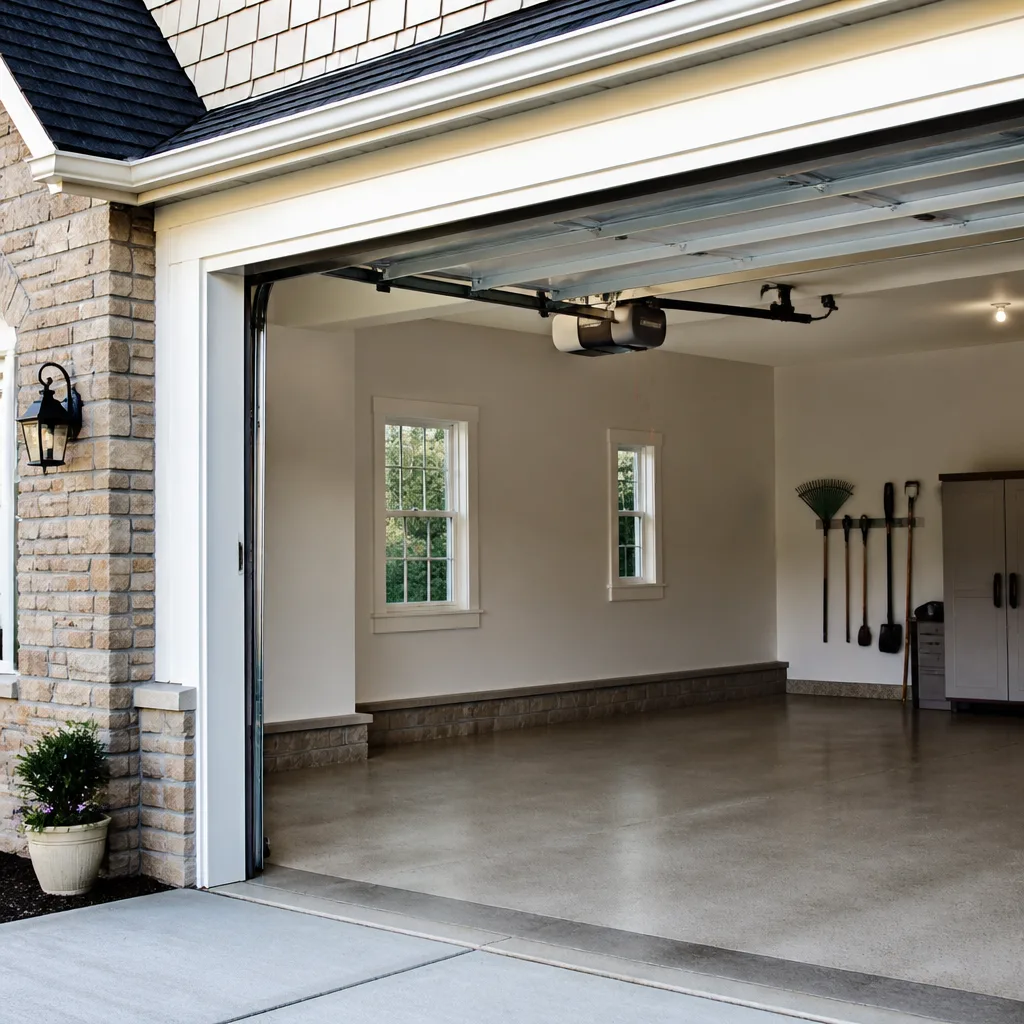 LiftMaster openers
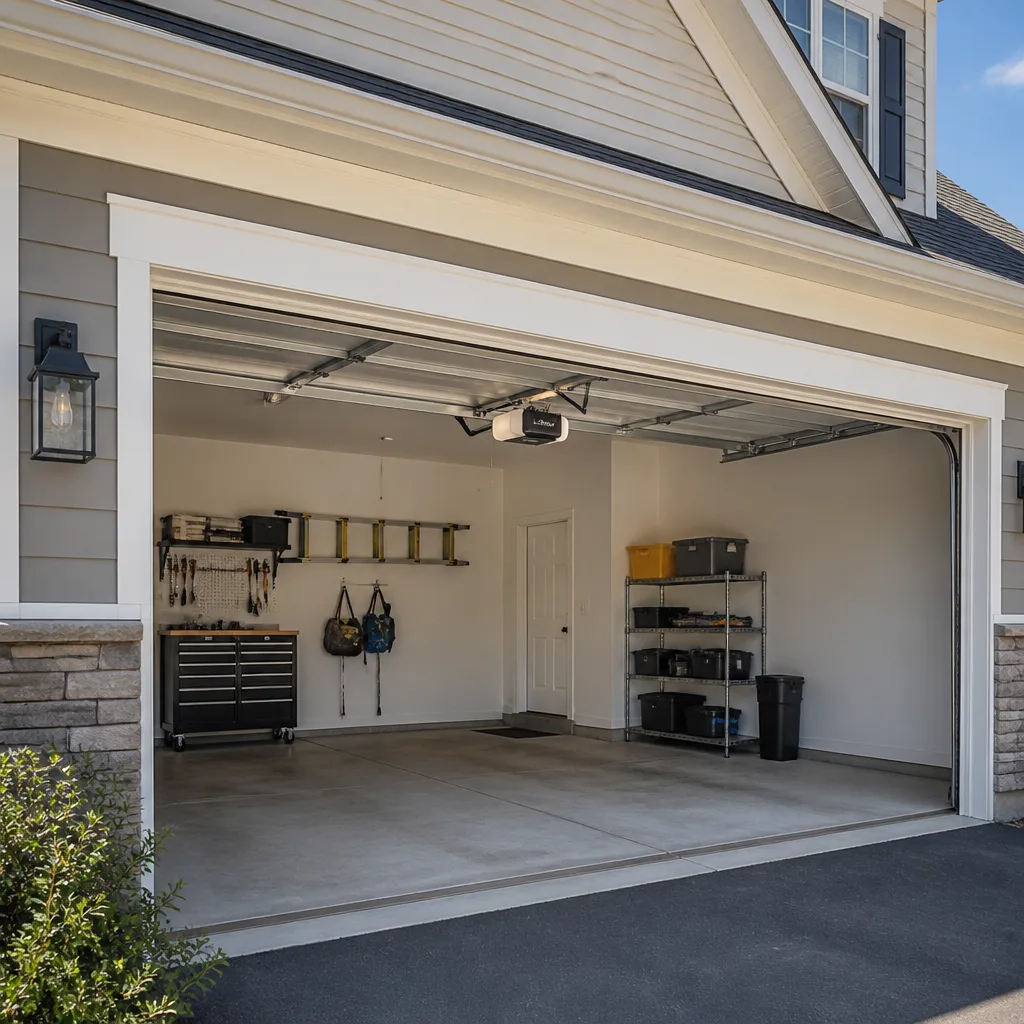 Chamberlain openers
Full 25-point door and opener safety check with every visit - springs, cables, rollers, tracks, and your LiftMaster or Chamberlain opener included
You get a price before we start. It does not change when the pro arrives.
Get your free estimateGarage Door Permits, Codes & Inspections in Hicksville, NY: What You Need to Know
A garage door swap-out almost never requires a permit in Hicksville. But change the rough opening size, add a new electric operator to a door that never had one in an older home, or touch the structural header, and you’re now in permit territory. The trouble with unpermitted work is that it surfaces at the worst possible moment: during a home sale, when a buyer’s inspector, lender, or title search asks for paperwork nobody kept. This guide draws the actual line between a simple replacement and a permitted alteration, explains how the Town of Oyster Bay handles these questions, and shows you what to do if a previous owner left you with a problem.
Quick Answer
In most cases, a like-for-like garage door replacement in Hicksville, NY does not require a building permit, but any change to the structural opening – widening or heightening the rough opening, replacing or modifying the header, or adding an electric operator to a garage that never had one – usually does. The line between the two is the structural opening and the electrical circuit. When in doubt, call the Town of Oyster Bay Building Department and ask before you order a door, because the answer depends on the specific scope of your project, not on the door itself.
Styles & brands we work with
- Raised-panel steel
- Carriage house
- Modern flush
- Full-view glass
- LiftMaster openers
- Chamberlain openers
Table of Contents
- Does the Town of Oyster Bay Require a Permit for a Garage Door?
- Where a Like-for-Like Replacement Becomes a Permitted Alteration
- Structural Changes: Headers, Openings and Load Paths
- Adding an Opener Where There Was None
- How Unpermitted Garage Work Affects Insurance and Your Mortgage
- HOA and Civic Association Rules in Hicksville Neighborhoods
- Selling a Hicksville Home With Unpermitted Garage Work
- What a Garage Door Inspection Actually Covers
Does the Town of Oyster Bay Require a Permit for a Garage Door?
The Town of Oyster Bay Building Department issues permits for structural and electrical work in residential garages, and whether a garage door replacement falls under that umbrella depends on what you’re changing. A door that replaces an existing door of the same size in the same opening is generally treated as a maintenance item. Move the opening, replace the framing around it, or add electricity where none existed, and the project is now construction work that the town wants to review.
What that means practically for Hicksville homeowners:
- Same size, same opening, no framing: typically no permit. You’re swapping a broken door for a working one.
- Same size, but the header is rotted or damaged: likely a permit, because the header is part of the load path above the opening.
- Different size door: permit, because the rough opening size changes.
- New opener in a garage that never had one: likely an electrical permit for the circuit and outlet, and often a review of the door and opener compatibility.
- Converting a garage to living space: a much larger project with its own permits, insulation, egress and structural requirements.
The town’s code staff are the authority here, and the answer can shift slightly depending on the age and construction of your home. Hicksville has a wide mix of housing stock, from mid-century ranches to newer construction, and a 1950s garage frame is not built the same way as one from the 1990s. That detail matters when the scope of work touches the structure. Ask the Building Department to confirm the scope before a contractor orders a door, because custom doors are not returnable and a rejected inspection sends you back to the drawing board.
If your project is straightforward garage door repair, you’re likely outside permit scope. If it’s a structural change, the permit is part of the job, not an add-on.
Where a Like-for-Like Replacement Becomes a Permitted Alteration
The cleanest way to think about the threshold is: what is being changed, and is that thing structural or electrical? A like-for-like replacement changes only the door and the hardware attached to it – the track, springs, rollers, hinges, and opener if one already exists. A permitted alteration changes the opening or the wiring.
Walk through this numbered sequence when you’re planning the work:
- Measure the existing rough opening. Rough opening means the framed gap, not the door’s outer dimensions. If the new door fits the existing rough opening, you’re still in like-for-like territory.
- Check the header. The header is the beam that spans the top of the opening. If it’s sound and untouched, the work is usually not structural. If it needs sistering, replacement, or a size change to fit a taller door, you’re into structural work.
- Check for existing electrical. If there’s an outlet or a hardwired circuit in the ceiling for an opener, you already have power. If the garage has no powered opener and no circuit, you need an electrician and possibly an electrical permit.
- Confirm with the town. Take the scope to the Town of Oyster Bay Building Department and ask what they need. A short phone call or a counter visit beats a surprise at inspection.
- Get the permit before work starts. In New York, a permit is applied for and issued before the work begins, not after. A contractor who offers to “pull it later” is telling you something about how they work.
One wrinkle specific to Hicksville: many garages here sit close to the lot line, and setbacks and lot coverage rules can come into play if the project touches the structure’s footprint. A door replacement doesn’t, but if a contractor proposes moving the opening to accommodate a wider door, the town may want to look at the plan as a whole. Keep the scope tight and you keep the project simple.
For the actual mechanical work, our team handles garage door spring repair and opener work on the same visit, so you’re not coordinating three trades for a job that should fit in one day.
Structural Changes: Headers, Openings and Load Paths
If you’re replacing a door, you’re probably not touching the structure of the house. If you’re replacing the opening, you are. The two get confused constantly, and that confusion is where homeowners end up with a door that fits badly, a header that sags, or an inspection that fails.
The header is the piece that does the real work. It carries the load above the opening – siding, wall, sometimes roof – and transfers it to the jack studs on either side. Replace it, resize it, or cut into it without a plan and you compromise the load path. That’s a structural alteration, and the town will want an engineering review or a plan that shows the new beam meets the code requirements for the span.
What usually triggers structural scope:
- Widening the opening for a double door where a single existed.
- Raising the opening height for a taller door.
- Replacing a rotted or undersized header.
- Framing changes to accommodate a different door type (carriage-style, for example, where a panel door existed).
- Any change to the concrete lintel or masonry above the opening in a block-wall garage.
The structural changes we see in Hicksville mostly come down to homes where someone tried to modernize a 1950s garage without touching the framing, then discovered the new door wouldn’t fit or the old header wasn’t built for a taller door. The fix is a plan. Your contractor should be able to show you the exact rough-opening dimensions the new door needs and how the header will carry the load, then submit that scope to the town.
We work on the structural fit with the door – if the opening needs to change, we’ll flag it early – and we work with doors from Amarr, Wayne Dalton and others where the rough-opening specs matter. Choosing a door that matches your existing opening is the cheapest path to a permit-free project.
Adding an Opener Where There Was None
Adding an electric opener to a garage that’s never had one is the second most common permit question we hear in Hicksville. The door itself is a replacement. The opener is new electrical equipment, and that changes the review.
What usually happens:
- The circuit. If your garage has no ceiling outlet or hardwired circuit for an opener, an electrician needs to run one. That’s electrical work and usually needs an electrical permit and inspection.
- The door. Some doors are not rated for a powered opener without a specified torsion setup, and a spec mismatch can void the door’s warranty. Confirm compatibility before you buy.
- The operator. Newer units (LiftMaster, Chamberlain and Genie among them) need a proper circuit and a safety reverse feature that closes the door if it meets an obstruction. That feature has to be tested.
- The inspection. If a permit was required, the electrical inspector checks the circuit. The door and opener should be tested in the same visit to save a second trip.
We install and repair garage door opener repair across the brands most common in Hicksville homes, including Chamberlain, LiftMaster and Genie models, and we work with Craftsman and Raynor openers as well. If the opener is the only thing that’s changing and the wiring is already in place, you’re in the simpler category. If we’re adding a unit to a garage that’s never had one, we flag the electrical side before we start so you can plan the permit.
How Unpermitted Garage Work Affects Insurance and Your Mortgage
Homeowner’s insurance and mortgage underwriting both care about unpermitted work, but they care in different ways. Insurance companies want to know that the structure is what they agreed to insure. A garage door is a component; a structural change to the garage frame is not. If someone widened the opening, replaced the header, or framed a new wall without a permit, and that work later causes a problem, the insurer can point to the unpermitted alteration when handling a claim.
For mortgages, the issue shows up at two moments:
- Purchase. An appraiser or inspector flags a structural change that doesn’t match the property record, and the underwriter asks for proof it was permitted. Without that proof, the deal can stall or the buyer can demand a credit.
- Refinance. A lender’s appraiser notes the same discrepancy, and the file gets held up while the homeowner produces documentation that may not exist.
The solution is simpler than it sounds. In most cases, a permit record from the Town of Oyster Bay is enough to demonstrate the work was reviewed at the time. If the work was done without a permit decades ago, the town has a process for reviewing and approving existing construction, and a compliance inspection is usually how you close the gap. New York State law protects homeowners from being forced to demolish work they didn’t know was unpermitted, but it doesn’t make the insurance and mortgage questions go away, so getting compliant before you list is worth the effort.
One more detail for Hickville homes near the downtown corridor or in the older ranch tracts: previous owners often replaced doors and openers themselves and didn’t think to keep any paperwork, even when the work was perfectly safe. A visual inspection from a garage door specialist can confirm the installation is sound even when a permit record is missing, which helps in a sale conversation.
HOA and Civic Association Rules in Hicksville Neighborhoods
Hicksville has a patchwork of homeowner associations and civic groups, and the rules they enforce go beyond what the town requires. These aren’t building codes, but they can stop a project cold if you order the wrong door.
Common restrictions we hear about:
- Aesthetic consistency. Some associations require a door that matches the original style or color family, so the street stays uniform.
- Window and panel style. A few require specific panel counts or window configurations.
- Material restrictions. Some communities prohibit certain materials for noise or appearance reasons.
- Driveway and easement agreements. Homes with shared driveways sometimes have written agreements that specify who maintains the door and whether changes require sign-off from the other homeowner.
- Architectural review. Larger associations may require an architectural review form before the door is ordered.
Before you order anything in a Hicksville neighborhood with an association, ask for the rules in writing. Get the answer in an email, not a conversation at the mailbox, because it will matter at resale. If the door has to be a specific brand or model, tell your contractor upfront. A door that meets code but violates association rules is still a door you can’t install, and specialty doors often can’t be returned.
When we quote a new door, we ask about association rules early so the specification fits both the opening and the neighborhood. It saves a redesign.
Selling a Hicksville Home With Unpermitted Garage Work
If a previous owner did work without permits, the seller inherits the problem. This is common in Hicksville homes that have changed hands several times, and it’s manageable if you handle it before you list rather than after the buyer’s inspector finds it.
Here’s the sequence that works:
- Find out what’s on record. Request the permit history for your address from the Town of Oyster Bay Building Department. You’ll see what was permitted and what wasn’t.
- Get a professional assessment. A garage door specialist can look at the installation and tell you whether the work is structurally sound, regardless of the paperwork.
- Decide on the path. If the work is sound, the town’s existing-construction review process is usually the way to document it. If it’s not sound, a contractor corrects it and the permit covers the correction.
- Keep the record. Save the permit, the inspection sign-off, and any photos of the work. A one-page file in the kitchen drawer is worth more than you’d think at closing.
- Disclose clearly. If work was corrected, put it in the seller’s disclosure with the permit number. Buyers respond well to documentation and poorly to surprises.
If the timing is tight and you’re selling in the next few months, start the review process early. Hicksville home sales tend to move quickly when the paperwork is clean, and a stalled permit can push a closing date by weeks.
What a Garage Door Inspection Actually Covers
A garage door inspection isn’t the same as a home inspection, and it isn’t the same as a building inspection. It’s a focused safety and function check on the door, the springs, the opener and the hardware. It takes less time, and it catches the problems that a general home inspector often notes but doesn’t diagnose.
What a good inspection checks:
- Springs. Torsion and extension springs are under high tension and are the highest-risk component on the door. We check for wear, corrosion, sag and the correct tension balance. We don’t recommend customers adjust these. This is a job for a trained technician.
- Cables and drums. Cables carry the spring load, and a frayed or miswound cable is a safety concern. We check them without disassembly.
- Track and rollers. Alignment, noise, and whether the rollers are the right type for the track.
- Hinges and panels. Hinge wear and panel integrity, including any cracks that matter structurally.
- The opener. Safety reverse function, force settings, and the physical mount.
- The balance test. Whether the door holds position when opened halfway, which tells us whether the spring is doing its job.
- The photo-eye (if equipped). An obstruction test to confirm the door reverses correctly.
If you’re buying or selling in Hicksville and the home has a garage door of unknown age, ask for an inspection before the inspection contingency expires. If you’re staying put and the door is older, an inspection every couple of years is cheaper than a surprise spring failure. We’re a garage door specialist, not a generalist, so the inspection focuses on the things that matter on this one type of equipment. Call our team for a free estimate on any inspection or repair.
Common Mistakes to Avoid
- Assuming all replacements are permit-free. A size change is structural work even if the door looks similar. Measure the rough opening before you buy.
- Ordering a door before asking the town. Custom doors aren’t returnable. A ten-minute conversation with the Building Department protects your deposit.
- Letting a contractor “pull the permit later.” In New York, permits come before work in most residential cases. A contractor who works in reverse order is a risk on a project involving the structure of your home.
- Ignoring association rules in Hicksville. A door that meets code but violates the association’s style rules is a door you can’t keep. Get the rules in writing before ordering.
- Adjusting springs yourself. Torsion springs are under high tension. This is one of the very few jobs where we actively tell homeowners to stop and call someone. Our team handles it with the right tools.
- Skipping the electrical permit for a new opener. Adding an opener to a garage with no circuit is electrical work. It needs an electrician and likely a permit.
- Not keeping the paperwork. A ten-year-old permit record is worth a lot at a home sale. Save the permit, the sign-off, and the photos.
See the difference
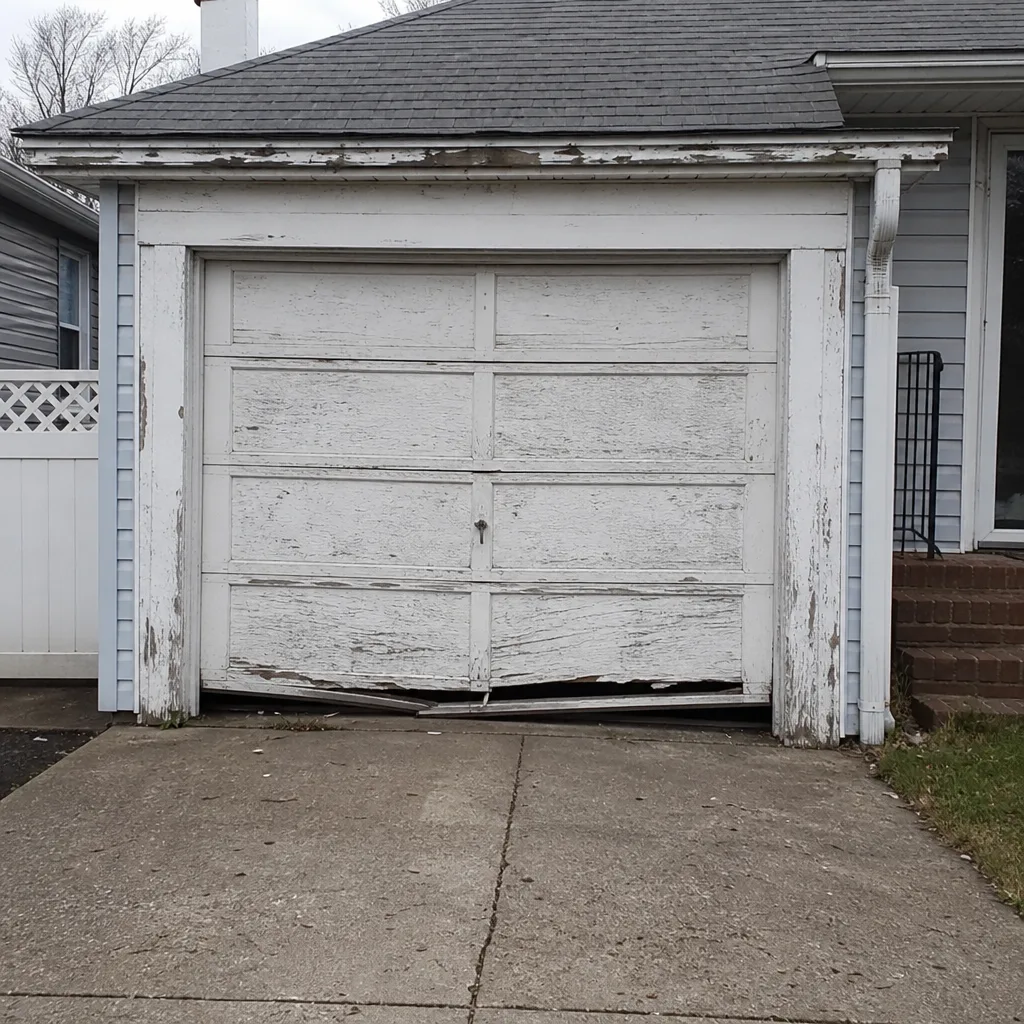 Before
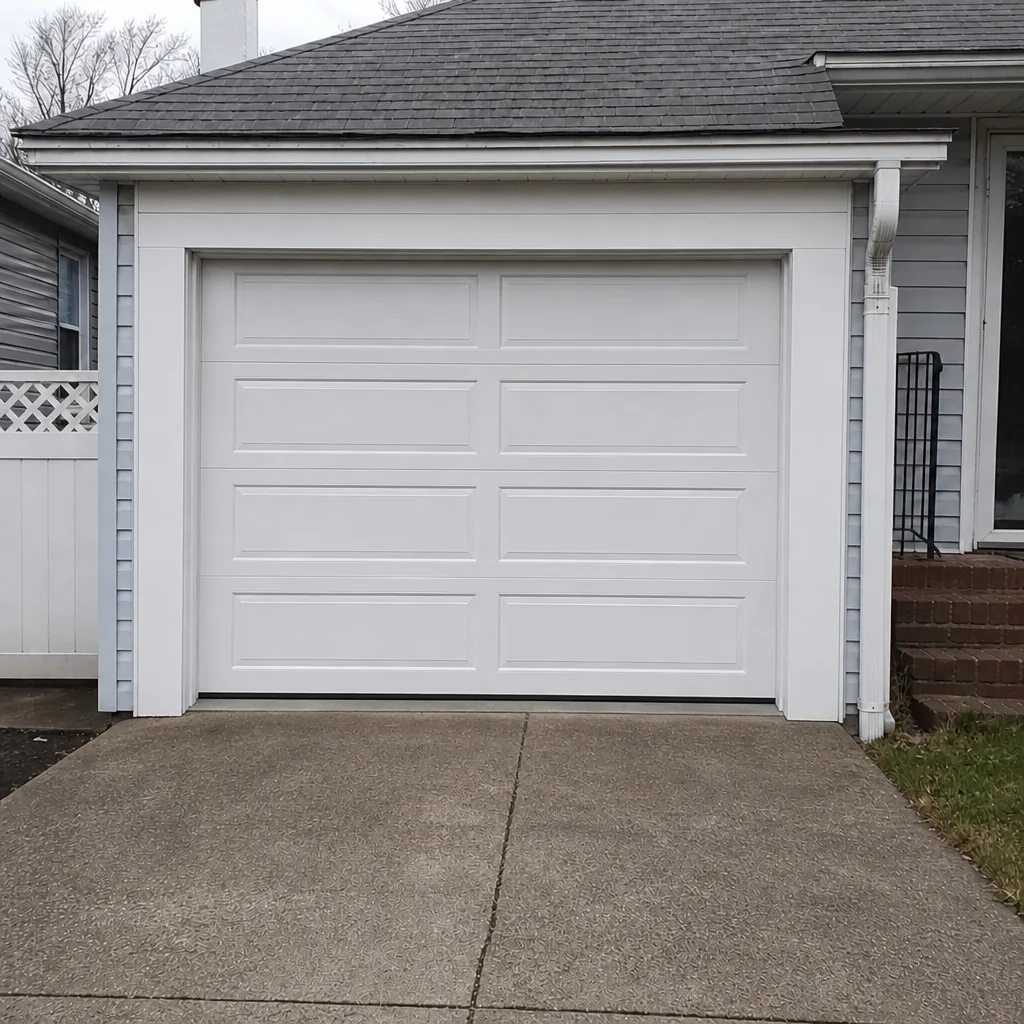 After
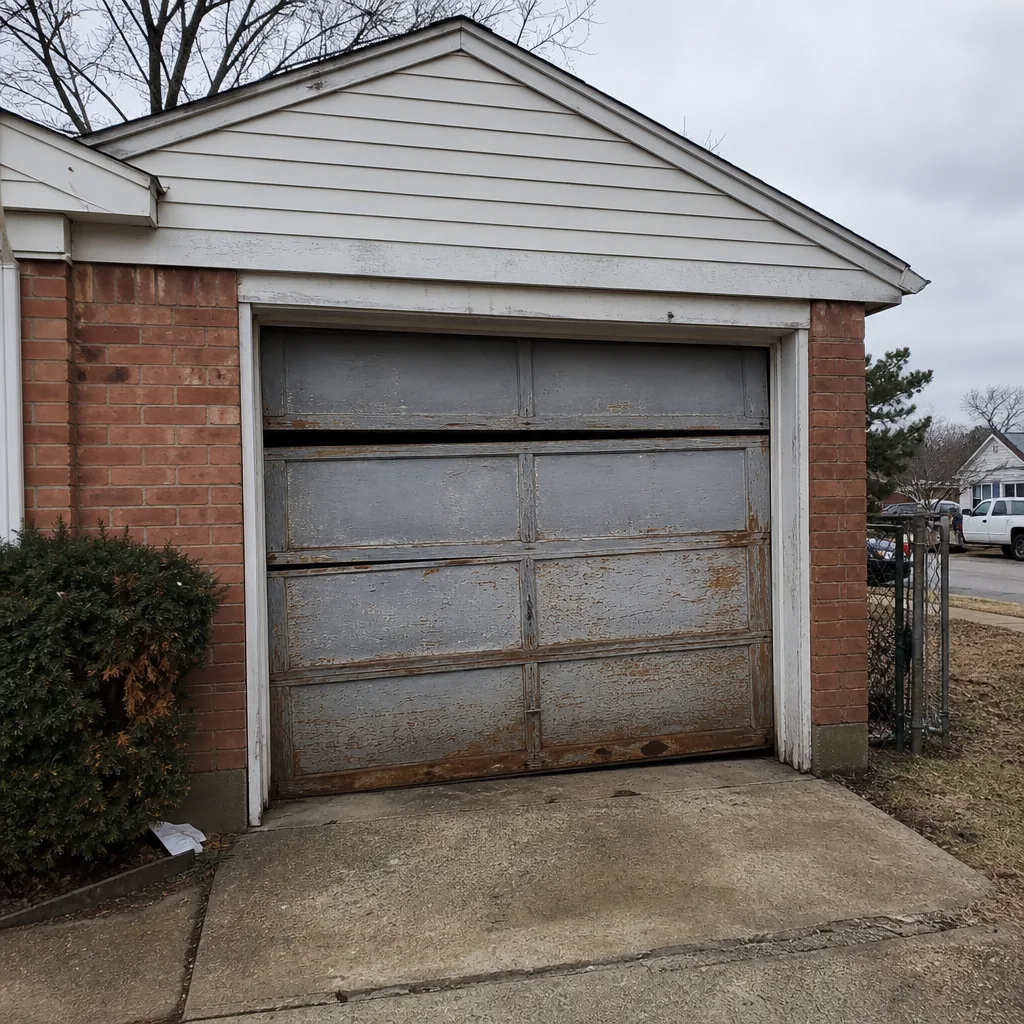 Before
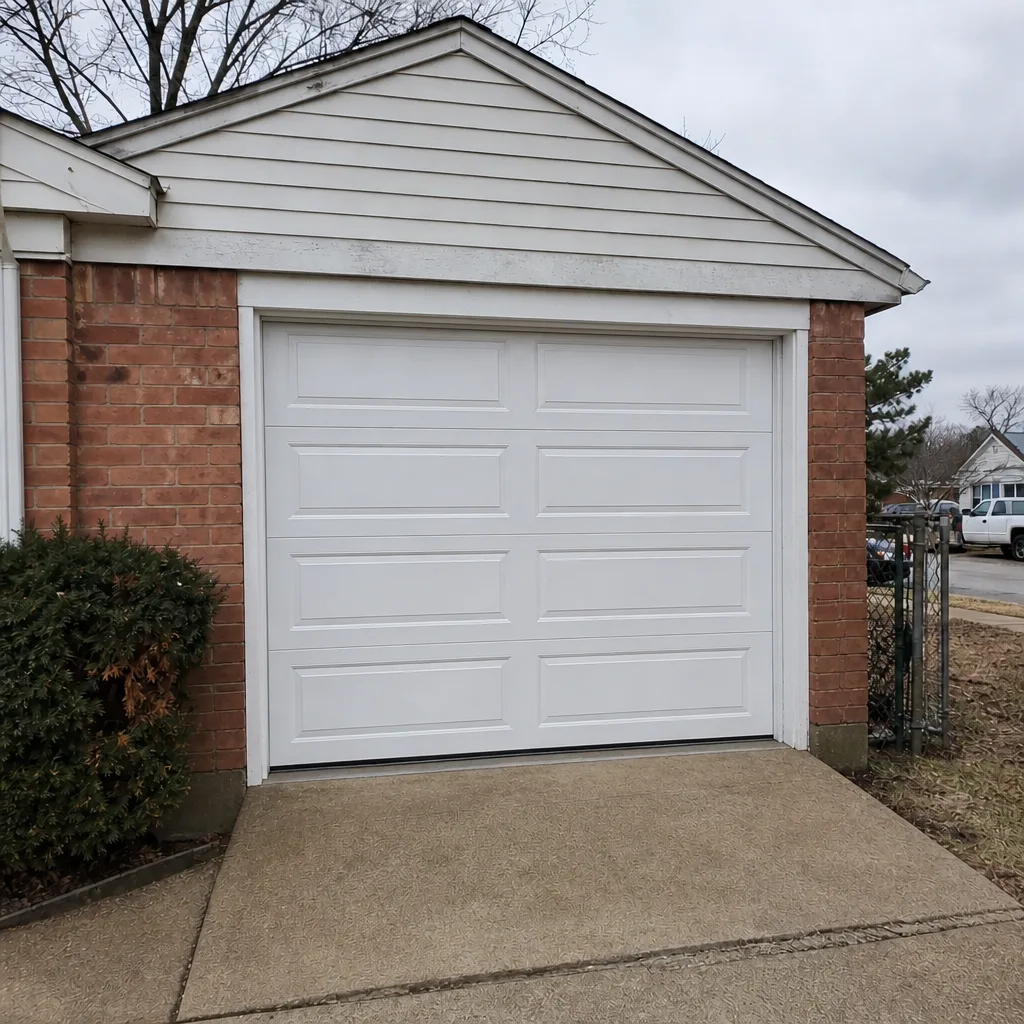 After
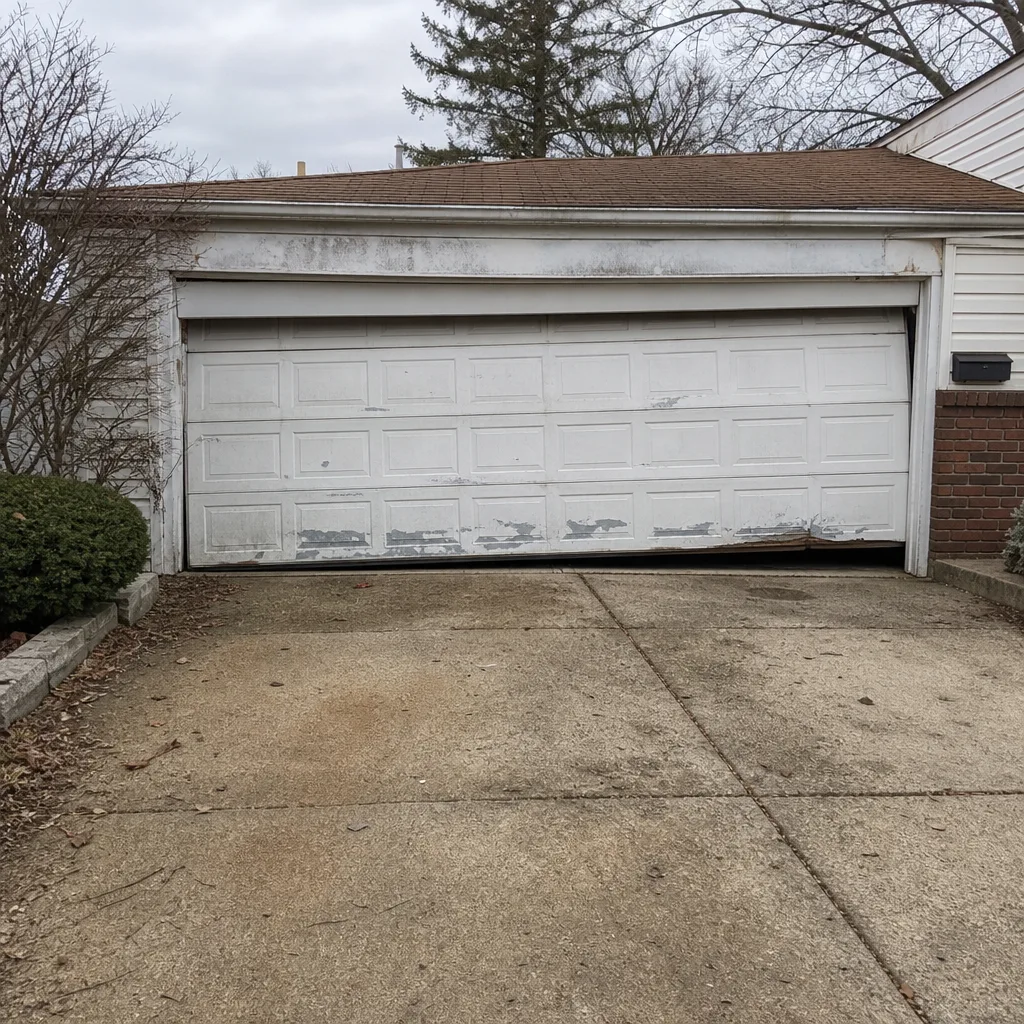 Before
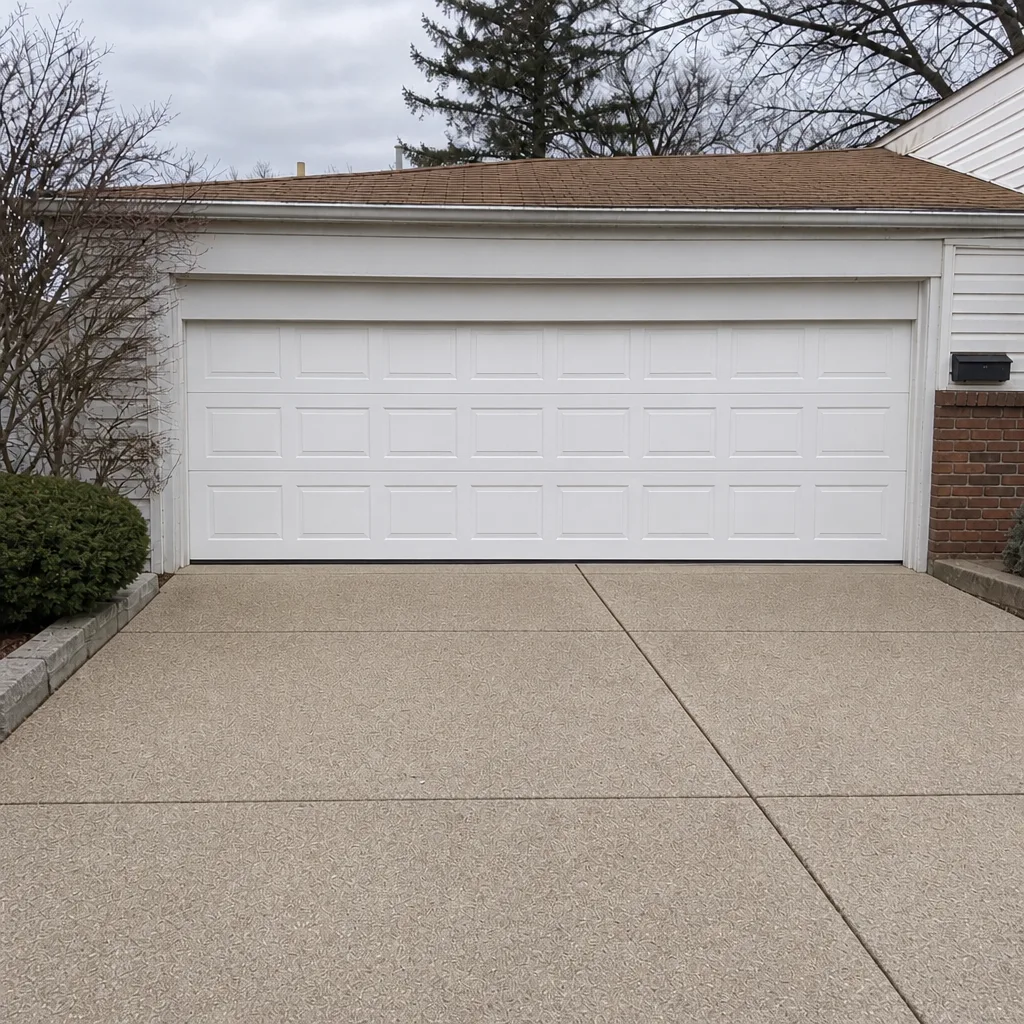 After
When to Call a Professional
Some garage door work is a reasonable homeowner project. Replacing a remote, lubricating the track, or resetting a photo-eye after it’s been bumped are things you can handle. But spring work, opener installation, structural changes at the opening, and anything that touches the header are not DIY territory. Springs are under high tension and can fail violently if handled without the right tools. An opener wired to the wrong circuit is an electrical hazard. And a door that’s been installed wrong is a liability, not a fix.
If your door is stuck, off-track, crooked, or making a new noise, that’s a same-day call. We answer 24/7 and dispatch Sunday through Friday, 7am to 7pm. If you’re planning a replacement or a structural change, call us and we’ll help you figure out the permit question before you order. Hicksville Garage Door Repair Pros offers free estimates in Hicksville – call (888) 891-6453.
Frequently Asked Questions
Usually not, as long as the new door fits the same rough opening and the header isn’t touched. If you’re changing the rough opening size, replacing the header, or adding an opener where there was none, expect a permit. Call the Town of Oyster Bay Building Department to confirm the specific scope of your project, and call (888) 891-6453 for a free estimate on the door itself.
The work is now your responsibility at sale, refinance, or insurance claim time. Request the permit history for your address, have a garage door specialist confirm the installation is sound, and use the town’s existing-construction review to document it. Starting this process before you list is far easier than doing it under contract.
It depends on the electrical work. Replacing an existing opener that already has power is usually just a swap. Adding a new opener to a garage that never had one, and no ceiling circuit exists, involves electrical work that typically needs a permit. An electrician and a licensed garage door specialist should plan the job together. Call (888) 891-6453 and we’ll walk through what your garage already has.
Contact the Town of Oyster Bay Building Department and request the permit history for your address. You’ll get a record of what was permitted, when, and who did the work. If the record is thin, a physical inspection can confirm the installation is sound even when the paperwork is missing.
Often yes. Associations may require a specific door style, panel count, material, or color to match the street. These rules aren’t code, but they can block an installation you’ve already paid for, so get the association’s requirements in writing before ordering. A door chosen to fit both the opening and the neighborhood is the safest choice.
It can. Insurers look at whether the structure matches what they agreed to insure, and a structural change to the garage that wasn’t permitted can complicate a claim. Most companies won’t cancel you over it, but the safer path is to get the work reviewed, documented, and added to your policy records. Call (888) 891-6453 if you want a professional inspection to start the documentation.
The Bottom Line
Most garage door replacements in Hicksville don’t need a permit, but the exceptions are real and specific. A size change, a header repair, or a new opener in an older garage moves the job into permit scope, and unpermitted work has a habit of surfacing at the worst possible moment, usually during a sale or refinance. Keep three things in mind: confirm the scope with the Town of Oyster Bay before you order, get association rules in writing if you live in a neighborhood with one, and keep the paperwork for the life of the house. If you’re not sure which category your project falls into, the fastest way to find out is a conversation with a specialist who’s seen the same question across Hicksville homes. Call (888) 891-6453 for a free estimate. We answer 24/7, and we’re ready to help you sort the permit question before the door is ordered.
Written by the team at Hicksville Garage Door Repair Pros.